
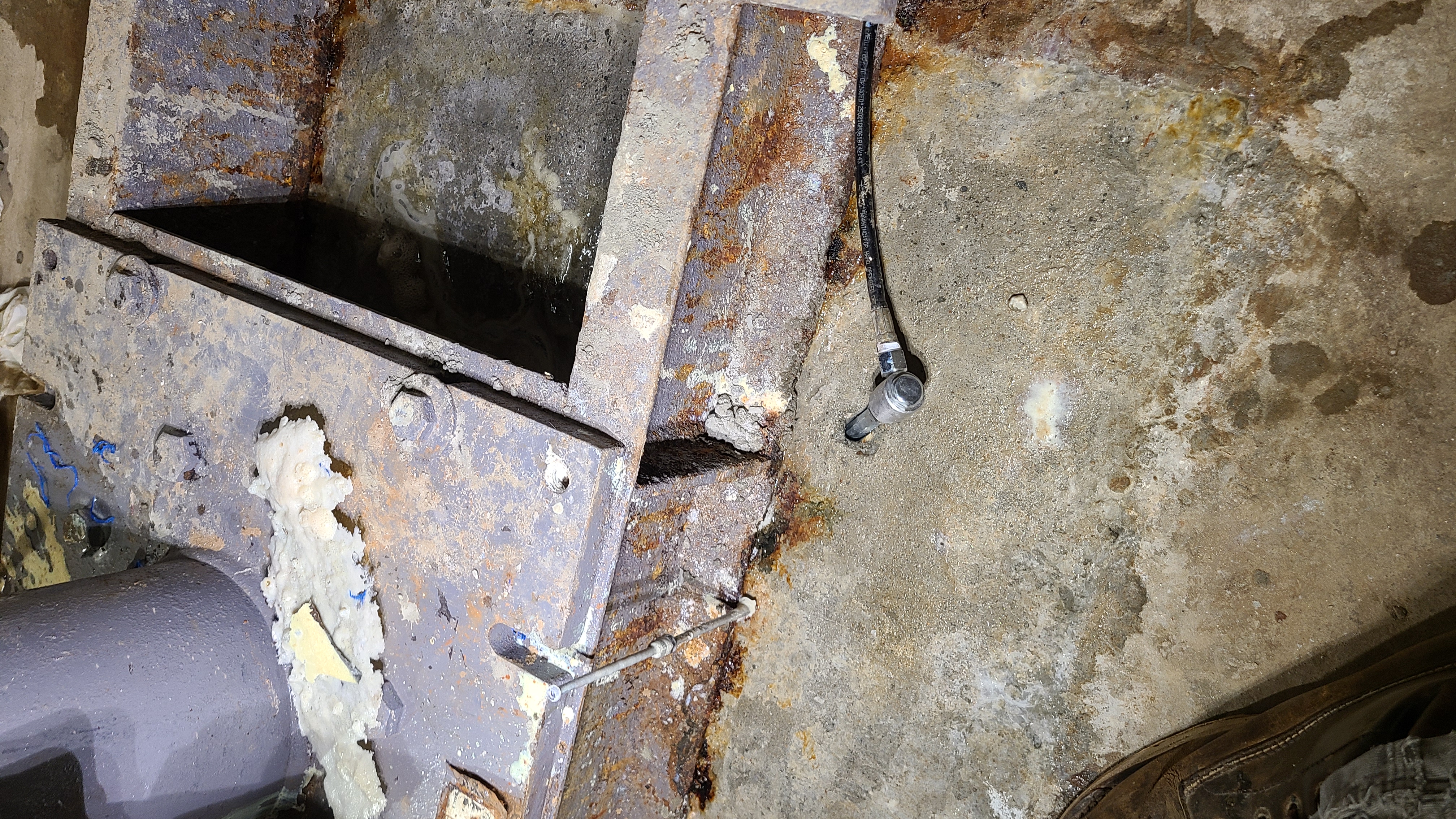
Standing Water in Elevator Pits Needs Pit Waterproofing
When elevator pits keep holding water after pumping, or leaks return through pit walls and slab joints, the problem is usually an active below-grade water path. Savy & Sons reviews pit construction and recommends injection and waterproofing when cutting off that path is the practical repair.
- Standing water after pumping
- Leaks through pit walls and joints
- Water at slab-to-wall cold joints
- Failed prior coatings in wet pits
- Seasonal or chronic pit flooding
- Elevator contractor scheduling
Request an Elevator Pit Review
Tell us about standing water or leakage in the pit. Our team will review and contact you directly.
 Google
4.9/ 5 from over 65 Google reviews
See on GoogleSpecialty field contractor; engineer-directed scopes where applicable; serving Connecticut commercial properties.
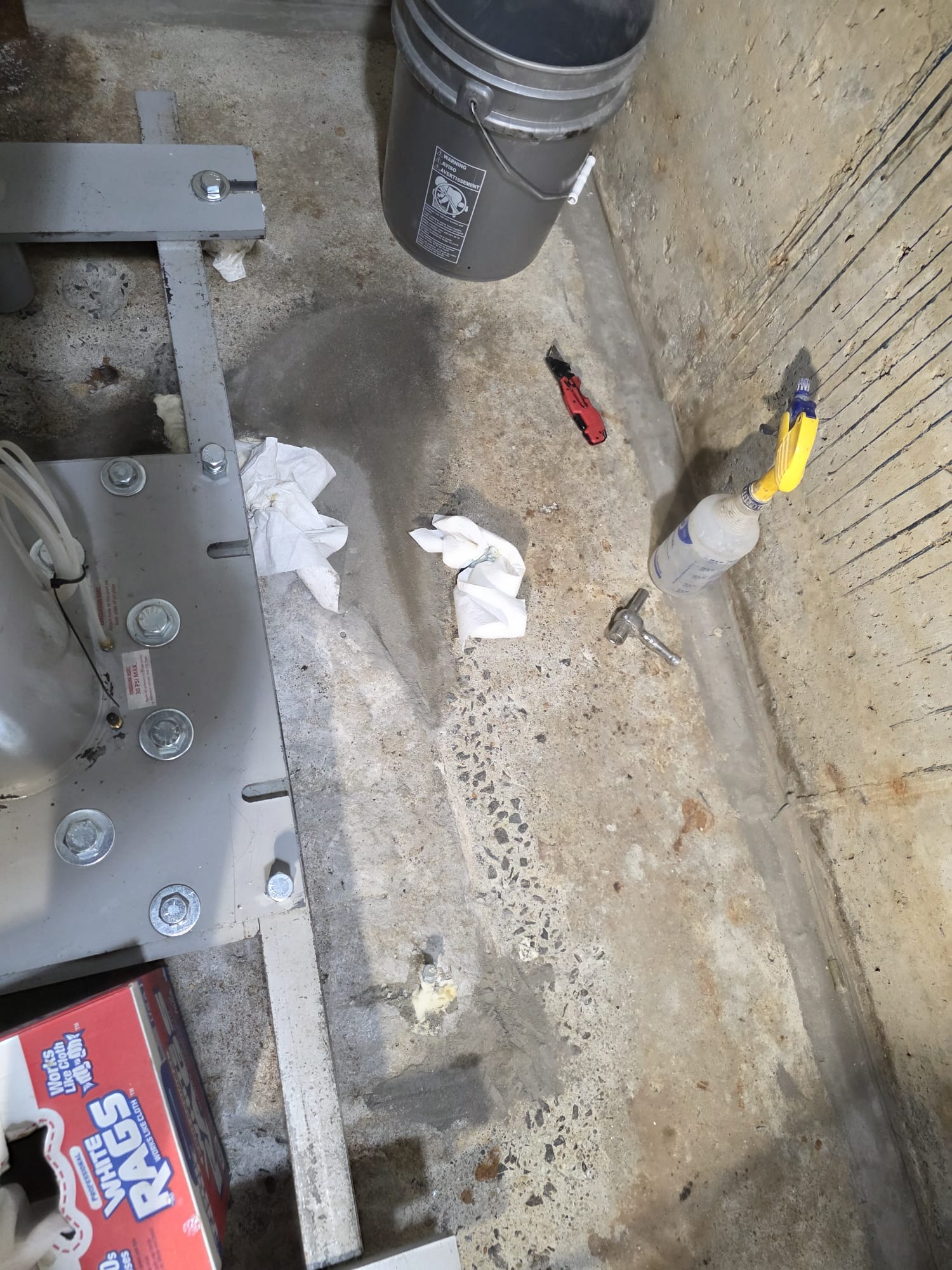
Standing Water, Damp Walls, and Recurring Leaks in Elevator Pits
Most property managers start with water in the pit after pumping, failed sealants, or inspection findings, not a waterproofing method name. Below: what is wrong, what happens if pit water continues, and why elevator pit waterproofing is the recommended repair when below-grade water keeps returning.
- 01Standing water keeps accumulating in elevator pits
Equipment corrosion, inspection findings, and repeated pump-out cycles disrupt building operations. Elevator shutdown risk increases when water reaches critical components.
Recommended repair: Elevator pit waterproofing with injection and joint sealing targets the active water path through pit walls, slab joints, or penetrations instead of pumping alone.
- 02Active leakage through pit walls and concrete faces
Hydrostatic pressure pushes water through cracks and porous concrete. Moisture spreads along pit benches and threatens pit hardware.
Recommended repair: Hydrophilic or hydrophobic polyurethane wall injection cuts off active flow through pit wall cracks where pit access allows.
- 03Water enters at pit slab joints and cold joints
Water tracks along the pit floor interface and returns after surface coatings or paint. Joint paths are often missed by interior-only treatments.
Recommended repair: Slab joint and cold joint injection along the pit perimeter addresses the wall-to-slab interface where water commonly bypasses surface repairs.
- 04Failed prior coatings, paint, or patch repairs in wet pits
Surface treatments fail under hydrostatic pressure when the water path behind the coating is still active. Repair cycles repeat each wet season.
Recommended repair: Pathway-targeted injection behind failed repair zones addresses hydrostatic paths that coatings cannot hold back.
- 05Water at pipe penetrations, sleeves, and conduit entries
Utility entries create annulus gaps where groundwater tracks into the lowest point in the building.
Recommended repair: Penetration and sleeve grouting seals conduit and pipe entries at the pit wall where water crosses the structure.
- 06Seasonal or chronic pit flooding after rain or high groundwater
Intermittent standing water still corrodes equipment and triggers emergency calls. Facility teams cannot plan around unpredictable pit conditions.
Recommended repair: Pit waterproofing matched to groundwater behavior and adjacent migration paths reduces recurring flood cycles when the host structure supports injection repair.
- 07Water migration from adjacent parking decks or plaza levels
Water from higher below-grade levels drains toward the pit, the lowest point in the building. Pumping treats the symptom, not the source path.
Recommended repair: Joint sealing plus evaluation of adjacent water migration paths addresses pit flooding driven by plaza or parking deck drainage.
Elevator Pit Waterproofing for Recurring Water Intrusion and Below-Grade Leakage
When elevator pits keep holding standing water or leaks return through pit walls and slab joints, elevator pit waterproofing is the recommended repair because pumping alone does not close the below-grade water path. Elevator pits are among the lowest points in commercial buildings and often the first place standing water appears when groundwater rises, slab joints fail, or water migrates from adjacent below-grade levels. In occupied buildings, pit water is not only a waterproofing issue; it creates operational disruption for facility managers coordinating elevator contractors, tenant access, inspections, and emergency pump-out cycles.
Water may enter through pit wall cracks, the interface between pit walls and the pit slab, construction and cold joints, pipe penetrations, lagging failures, or the surround where pit concrete meets soil or adjacent structure. Standing water that persists after rain events often signals an active pathway rather than incidental condensation. Surface coatings or interior paint rarely stop infiltration when hydrostatic pressure pushes through the substrate or when water bypasses the treated area through slab joints and penetrations.
We evaluate how water is entering the pit and whether soil conditions, drainage, plaza-level migration, or structural joint behavior contribute before selecting injection, crystalline treatment, membrane repair, curtain grouting, or combined approaches where appropriate. Polyurethane injection may cut off active leaks through pit walls and joints. Slab joint and penetration grouting may address paths where water tracks along the pit floor interface. Curtain grouting behind pit walls may reduce groundwater movement toward the pit in selected conditions when soil permeability is a factor.
Work in occupied commercial buildings requires coordination with facility managers, property management, elevator service providers, and sometimes engineers of record. Pits are confined spaces with specific safety requirements. We plan access, ventilation, equipment protection, and sequencing to limit disruption to building tenants and vertical transportation, aligning pit entry windows with elevator contractor schedules when shutdown or cab positioning is required.
We provide specialty contracting services for water intrusion in elevator pits, not elevator mechanical service, cab modernization, or code compliance determinations. Engineering assessments of structural adequacy, elevator safety interpretations, or regulatory determinations should come from appropriate licensed professionals when required.
For office towers, hospitals, campuses, retail centers, hotels, and multi-tenant commercial properties, controlling standing water and pit wall or slab joint leakage may reduce equipment damage, inspection findings, corrosion, and repeated emergency responses, especially in regions with seasonal high groundwater and aging below-grade construction.
When pit water is tied to soil movement or voids outside the pit walls, related work may include Chemical Grout Injection, Void Filling, and Joint and Penetration Sealing Systems.
Engineering design, structural determinations, geotechnical engineering opinions, and regulatory interpretations should be provided by the appropriate licensed professionals when required.
Need Elevator Pit Waterproofing evaluated for your structure?
Describe access, findings, and what is failing. Use Request a Site Review or call the office.
Elevator Pit Waterproofing Condition-to-Method Paths
| Condition | Structure or environment | Possible service path | Notes |
|---|---|---|---|
| Standing water with active flow through pit wall cracks | Commercial elevator pit: concrete walls | Hydrophilic or hydrophobic polyurethane wall injection | Grout selection depends on flow rate, crack width, and whether water is continuously moving. |
| Water tracking at pit slab joint or wall-to-slab interface | Below-grade elevator pit floor joint | Joint injection along slab perimeter and cold joint zones | Common failure point when prior surface coatings did not address the joint path. |
| Leak at pipe penetration or conduit sleeve in pit wall | Elevator pit with utility penetrations | Penetration injection and annulus grouting | Access and sleeve condition determine port placement; elevator equipment clearance is planned. |
| Groundwater migration through soil behind pit walls | Deep pit in high water table conditions | Curtain grouting in soil zone behind pit wall | Used when soil permeability contributes to standing water, not only visible wall defects. |
| Recurring standing water after interior paint or coating | Occupied commercial building elevator pit | Pathway-targeted injection behind failed repair zone | Surface treatment without addressing hydrostatic paths often fails in wet pits. |
| Seasonal pit flooding after rain or snowmelt | Pit adjacent to parking deck or plaza level | Joint sealing plus evaluation of adjacent water migration paths | Facility managers often see intermittent standing water tied to weather events. |
| Damp-to-active moisture at pit bench and corner transitions | Institutional or hospital elevator pit | Localized injection and crystalline treatment where appropriate | Confined-space entry and infection-control corridors may shape access planning. |
| Corrosion-prone pit with chronic shallow standing water | Multi-tenant commercial tower | Leak cutoff injection plus wall protection where specified | Reducing standing water may support equipment longevity; mechanical service remains with elevator contractor. |
Which Elevator Pit Waterproofing path fits your site?
Tell us which row looks closest. Include photos or inspection notes when you have them.
Elevator Pit Injection, Joint Sealing, and Below-Grade Waterproofing Materials
Pit leakage may enter through wall cracks, slab joints, pipe penetrations, or hydrostatic pressure paths that are not visible until water returns. Savy & Sons selects injection grouts, sealants, and repair approaches based on pit access, active flow, and whether the building can tolerate limited outages.
- Hydrophilic and hydrophobic polyurethane injection for active pit wall and joint leaks
- Slab joint and cold joint injection at the pit floor interface
- Penetration and sleeve grouting at pipe and conduit entries
- Curtain grouting behind pit walls to reduce groundwater movement in selected conditions
- Crystalline waterproofing treatments where substrate and exposure allow
- Membrane repair and localized coating systems for pit wall protection
- Injection port installation with sequenced placement based on water path behavior
- Engineer-specified products and submittal coordination where directed
Discuss Elevator Pit Waterproofing methods for this job
Send building location, pit photos or video showing water depth, leak frequency, elevator contractor contact if applicable, and access or scheduling constraints We will tell you what fits and what does not.
Where Elevator Pit Waterproofing Applies
- Office and commercial towers with passenger elevators
- Hospitals and healthcare facilities
- Universities and institutional campuses
- Hotels and hospitality properties
- Retail centers and mixed-use buildings
- Multi-tenant commercial properties
- Government and municipal buildings
- Industrial buildings with freight elevators
- Parking-adjacent pit conditions and plaza-level migration
- Below-grade machine room and pit interfaces
- Properties with seasonal high groundwater tables
- Buildings with history of pit pump-out cycles
Is your facility a fit for Elevator Pit Waterproofing?
Share the property type, location, and the condition you need addressed.
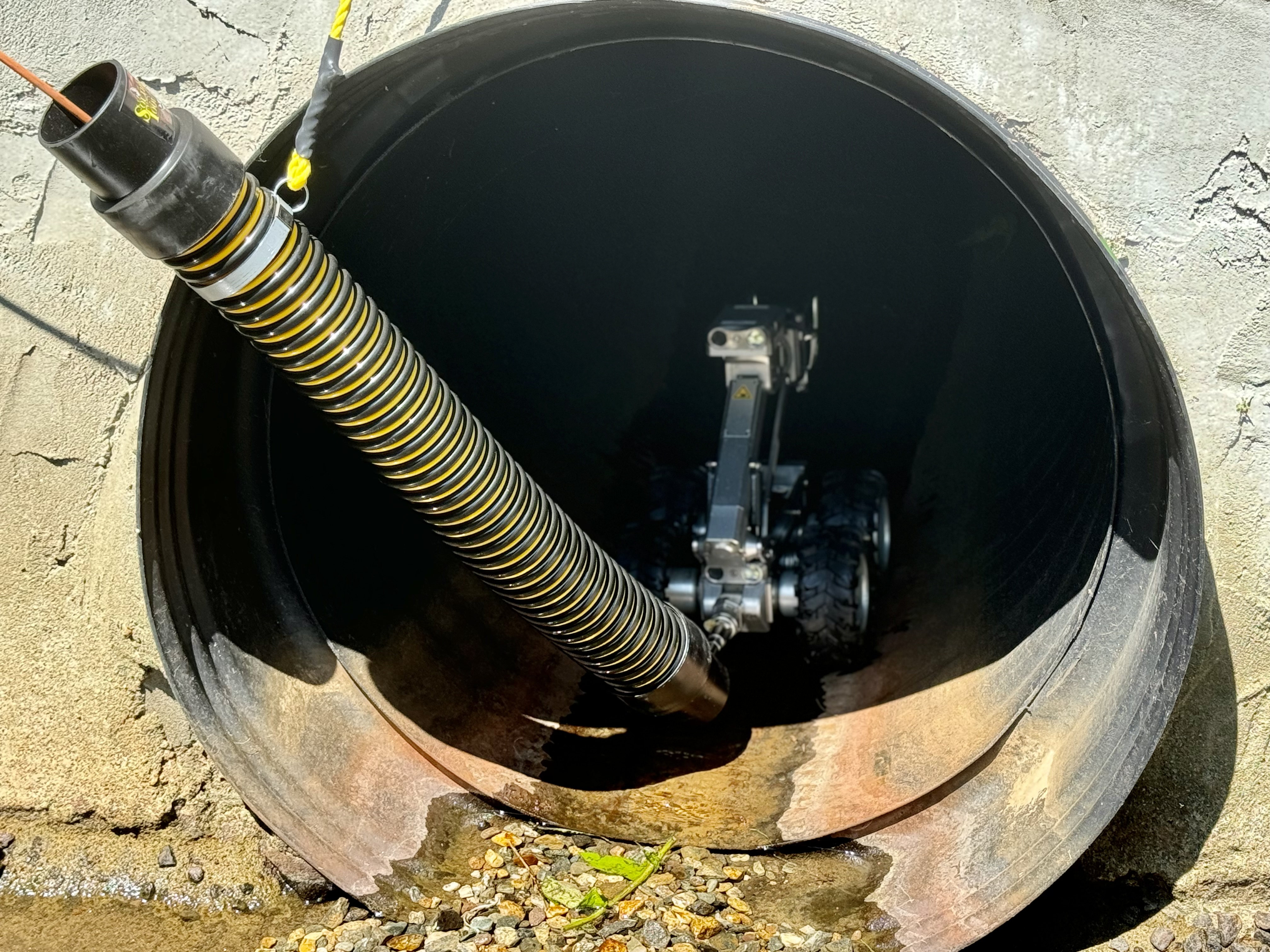
Choosing the Right Elevator Pit Waterproofing Method
If you are seeing standing water in an elevator pit, the repair path usually traces to a specific pathway: pit wall cracks, slab-to-wall cold joints, conduit penetrations, or groundwater migration from adjacent parking or plaza levels.
Hydrophilic injection may cut off active wall leaks while slab joint grouting addresses water tracking along the pit floor interface. Occupied-building constraints, including elevator contractor access, confined-space entry, and tenant disruption, shape which methods are feasible without full pit excavation.
Unsure which Elevator Pit Waterproofing approach fits?
Send access limits, findings, and urgency. We help scope the next field step.
Elevator Pit Waterproofing Process
Review Pit Condition
Assess standing water level, entry points, pit wall and slab joint behavior, pit construction, and history of prior repairs or pump-out cycles.
Identify Water Paths
Determine likely infiltration through pit walls, slab joints, penetrations, or groundwater movement from adjacent levels and soil.
Coordinate Building Access
Schedule with facility management and elevator service for safe pit entry, cab positioning, ventilation, and minimal tenant disruption.
Select Waterproofing Method
Choose injection, joint sealing, curtain grouting, or combined approach based on water behavior, substrate, and occupied-building constraints.
Execute Repairs
Perform work with confined-space safety, protection of elevator equipment, and sequencing aligned to operational windows.
Verify Leakage Reduction
Confirm improvement in standing water and active leakage against agreed criteria; note monitoring recommendations for facility files.
Document for Property File
Provide field notes, product data, or documentation for building records and facility manager review where applicable.
Ready for a Elevator Pit Waterproofing assessment?
Share the location, access constraints, and what you already know. We respond within one business day.
Elevator Pit Waterproofing for Occupied Commercial and Institutional Buildings
We waterproof commercial elevator pits where standing water threatens equipment corrosion, inspection findings, and facility manager response cycles in occupied office towers, hospitals, and multi-tenant properties.
Pit work requires confined-space safety, elevator contractor coordination, and pathway-specific injection. We perform field waterproofing as a specialty contractor, not elevator mechanical service, working with facility teams and engineers where directed scopes apply.
- Commercial and institutional elevator pits
- Occupied building coordination
- Facility manager and engineer support
- Elevator contractor scheduling
- Pit wall and slab joint injection
- Confined space safety planning
- Standing water and active leak focus
- Minimal tenant disruption planning
- Documentation for facility files
Ask Savy & Sons about Elevator Pit Waterproofing
Send building location, pit photos or video showing water depth, leak frequency, elevator contractor contact if applicable, and access or scheduling constraints Or call and talk through the structure with the office.
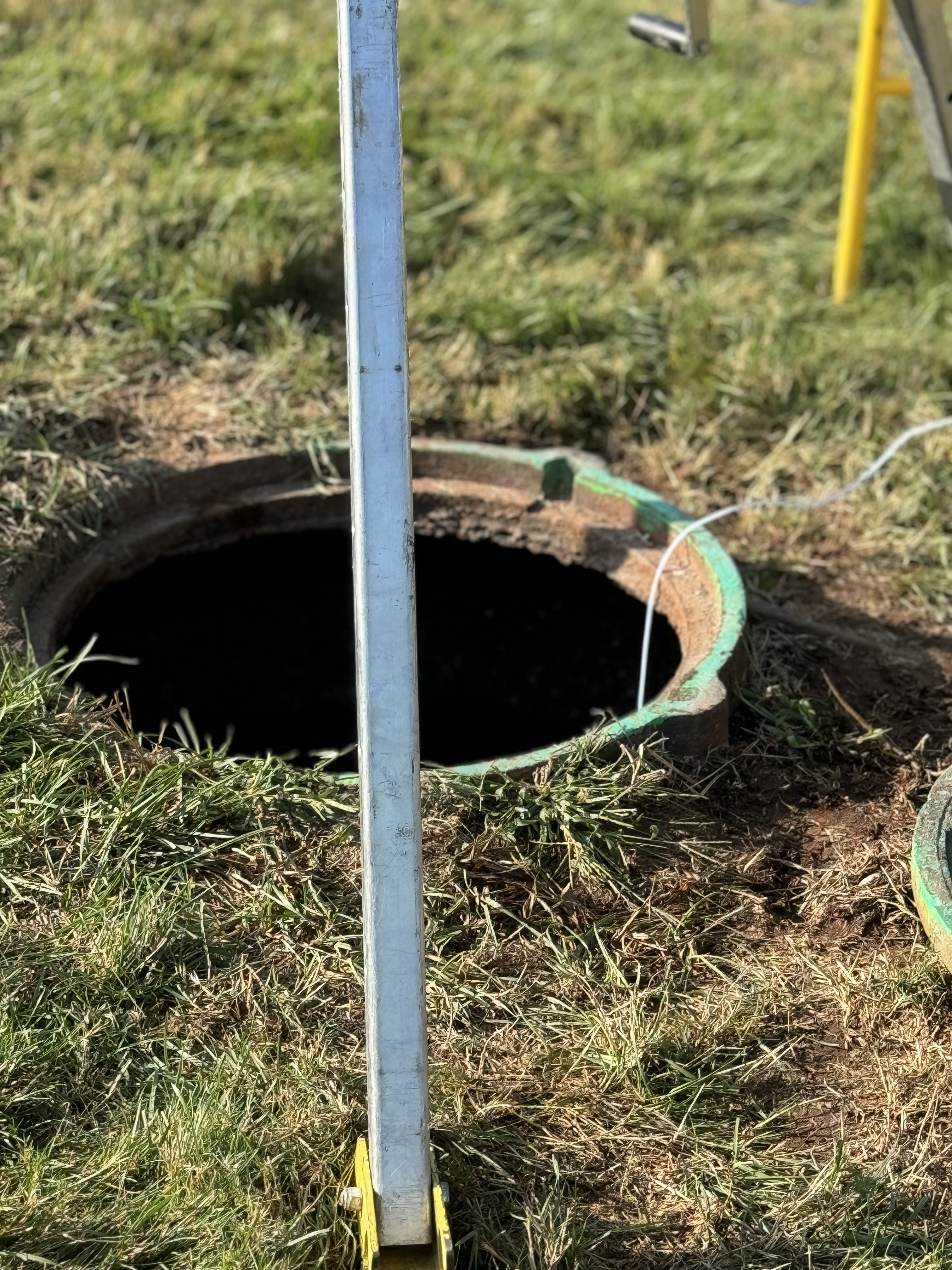
Stop Standing Water in Elevator Pits
If elevator pits are holding standing water or leaking through pit walls and slab joints at your commercial property, we can review conditions and discuss waterproofing options coordinated with your facility team and elevator contractor.
- Building location and type
- Pit photos or video showing standing water
- Water frequency: constant, seasonal, after rain
- Known entry at walls, slab joints, or penetrations
- Elevator contractor contact if applicable
Serving Connecticut Commercial and Municipal Properties
Savy & Sons supports commercial, municipal, industrial, institutional, and infrastructure properties across Connecticut. We rehabilitate sewer assets, wastewater structures, below-grade concrete, and buried pipelines when water intrusion, corrosion, infiltration, or structural loss threatens operations.
For elevator pit waterproofing, this often means addressing water entering through pit walls, slab joints, penetrations, or below-grade water pathways in occupied commercial buildings.
View the Connecticut commercial service areaDo we cover your Elevator Pit Waterproofing site?
Share the ZIP or address with the site condition so we can confirm coverage and next steps.
Related Technical Systems
Material and field-system reference pages related to this scope. They support buyer education and are not a substitute for site review.
View all technical systems