
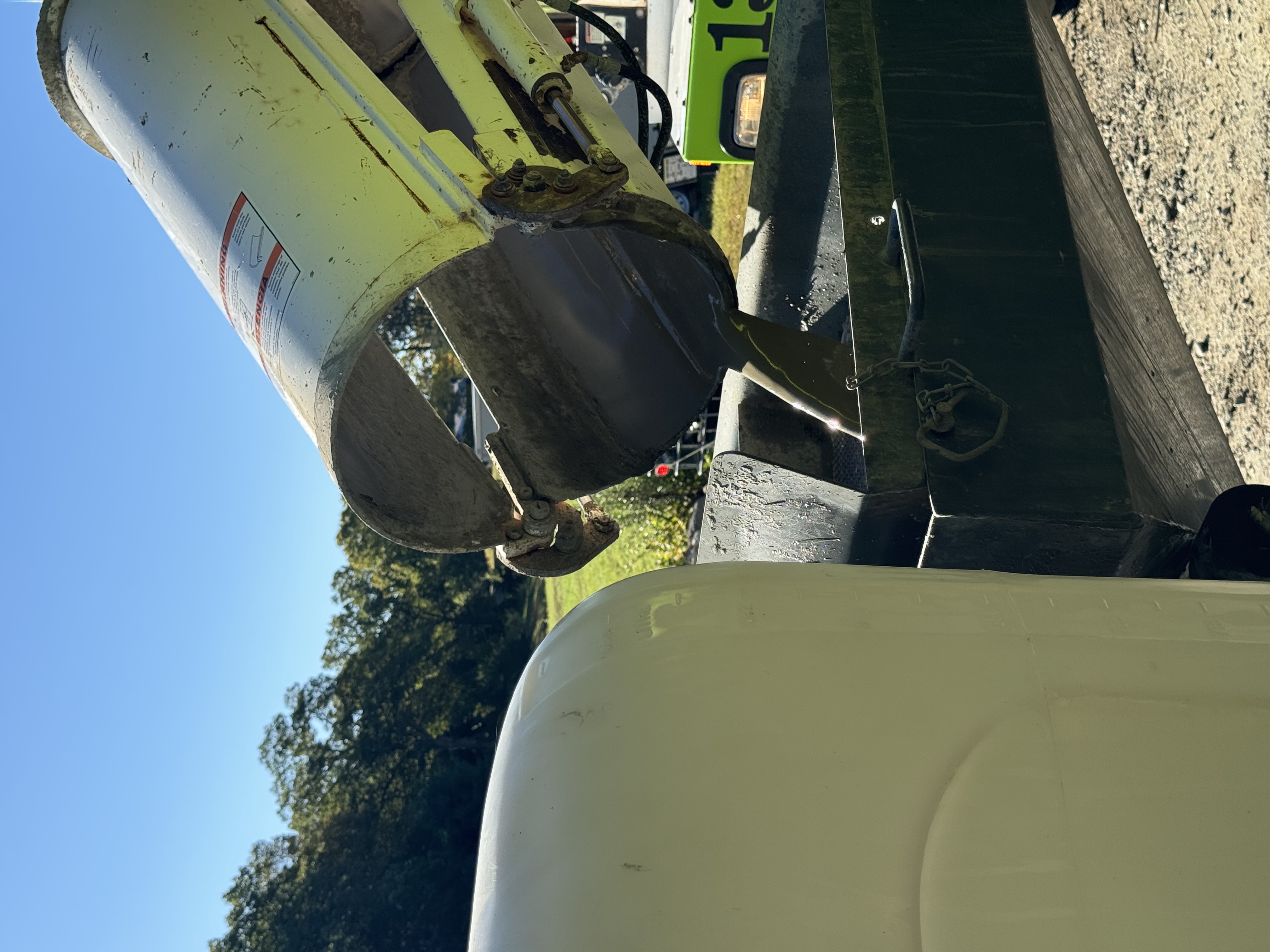
Trenches and Voids That Cannot Take Heavy Fill Need LDCC
When annular spaces, abandoned pipes, or weak subgrade cannot accept conventional backfill, the problem is fill weight and placement access. Savy & Sons reviews cavity geometry and recommends low-density cellular concrete when lightweight controlled fill is the practical repair.
- Annular space around pipes
- Abandoned utility lines
- Weak subgrade under fill
- Large washout cavities
- Trenches without compaction access
- Engineer-specified density limits
Discuss LDCC for Your Project
Tell us about the fill, abandonment, or stabilization need. Our team will review and contact you directly.
 Google
4.9/ 5 from over 65 Google reviews
See on GoogleSpecialty field contractor with engineer-directed scopes where applicable; we serve Connecticut commercial properties.
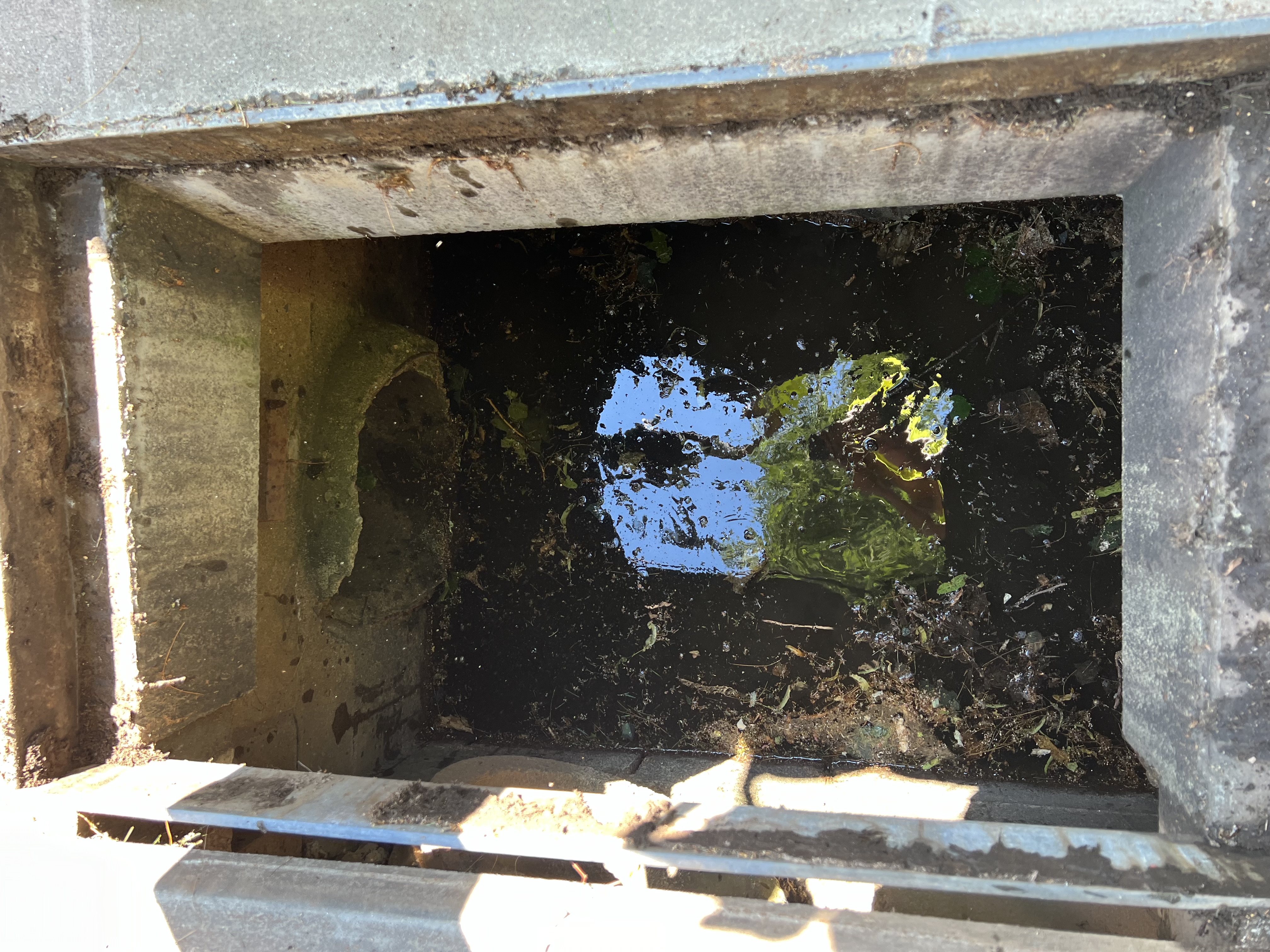
Trenches, Abandoned Pipes, and Weak Subgrade That Cannot Take Heavy Fill
Most project teams specify LDCC when conventional fill is too heavy or cannot reach the cavity. Below: what is wrong, what happens if lightweight fill is not placed correctly, and why low-density cellular concrete is the recommended repair for many annulus, trench, and void applications.
- 01Voids requiring lightweight fill to avoid overloading weak substrates
Heavy conventional fill adds dead load that worsens settlement on soft or sensitive soils. Structures above may crack or tilt as fill weight exceeds bearing capacity.
Recommended repair: LDCC placement at controlled density reduces unit weight while filling the void, limiting additional load on weak substrates.
- 02Annular space around pipes, casings, culverts, and tunnel liners
Unfilled annulus zones allow groundwater migration, soil loss, and liner movement. Settlement and infiltration follow at the utility corridor.
Recommended repair: Pumped LDCC annular fill flows into confined spaces around liners with density matched to project specifications.
- 03Abandoned utility lines needing controlled abandonment fill
Open pipes and trenches create subsurface voids that settle over time. Pavement above abandoned utilities drops as fill consolidates or washes out.
Recommended repair: LDCC flowable fill through access points occupies abandoned lines with lightweight controlled placement.
- 04Sinkhole, washout, or erosion cavities needing flowable placement
Large cavities under pavement or structures grow as erosion continues. Surface settlement and safety risk increase with each rain event.
Recommended repair: LDCC cavity fill with substrate review replaces missing support at reduced dead load compared to conventional fill.
- 05Settlement risk from heavy conventional backfill or compacted aggregate
Dense fill on weak subgrade causes additional settlement. Adjacent structures and pavements may be damaged by the fill itself.
Recommended repair: Lightweight LDCC backfill meets fill volume requirements without exceeding substrate load limits.
- 06Below-grade trenches where compaction equipment cannot reach
Poorly compacted trench backfill settles after paving. Utility trenches become recurring settlement lines across commercial sites.
Recommended repair: Flowable LDCC trench backfill reaches confined zones where rollers and compactors cannot access.
- 07Infrastructure projects requiring predictable, specified low density
Fill that does not meet engineer density requirements may be rejected or require removal. Project delays and cost overruns follow.
Recommended repair: LDCC placement with controlled density, strength, and testing parameters aligned to project documents.
Low-Density Cellular Concrete for Lightweight Fill, Void Filling, and Infrastructure Support
When annular spaces, abandoned utilities, or weak subgrade cannot accept conventional backfill, low-density cellular concrete is the recommended repair because it provides flowable fill at controlled unit weight. Low-density cellular concrete (LDCC) is a lightweight, flowable fill produced by combining cement slurry with a pre-formed foam agent. The resulting material has a controlled unit weight, typically far below conventional concrete or compacted fill, and can flow into voids, trenches, and annular spaces while placing less load on underlying soils, structures, or liners.
LDCC is used on commercial and infrastructure projects where weight reduction, placement speed, and ability to fill irregular or inaccessible geometries are priorities. Typical applications include annular space fill around pipes and tunnels, abandonment of utility lines, large void fills, soil support zones, and backfill where heavy conventional fill would worsen settlement or exceed substrate capacity.
LDCC is not the same as standard flowable fill, structural concrete, or compacted aggregate. Density, strength, permeability, and placement method are selected for the application. Not every LDCC mix is appropriate for every load, exposure, or engineer specification. We coordinate placement based on project requirements, pour volume, access, substrate sensitivity, and any directed mix parameters.
Placement may occur through direct pour, pumped delivery, or other field methods depending on site access, pour geometry, and sequencing constraints. Where engineer specifications define density, strength, testing, or lift requirements, work is aligned with those parameters. Cure time, cover, and protection follow project and environmental conditions.
For municipalities, utilities, industrial facilities, and commercial construction teams, LDCC may offer a practical way to fill inaccessible voids, complete annular fills, or provide lightweight support, especially when excavation, compaction equipment, or heavy fill is impractical or unacceptable for the substrate. We treat LDCC as a specialty placement service within a broader geotechnical support scope, selected when conditions warrant lightweight flowable fill rather than grout injection, polyurethane void fill, or conventional backfill.
When LDCC is used to address open cavities below slabs or structures, related work may include Void Filling, Soil Stabilization, and Low-Density Cellular Concrete.
Engineering design, structural determinations, geotechnical engineering opinions, and regulatory interpretations should be provided by the appropriate licensed professionals when required.
Need Low-Density Cellular Concrete evaluated for your structure?
Describe access, findings, and what is failing. Use Discuss LDCC for Your Project or call the office.
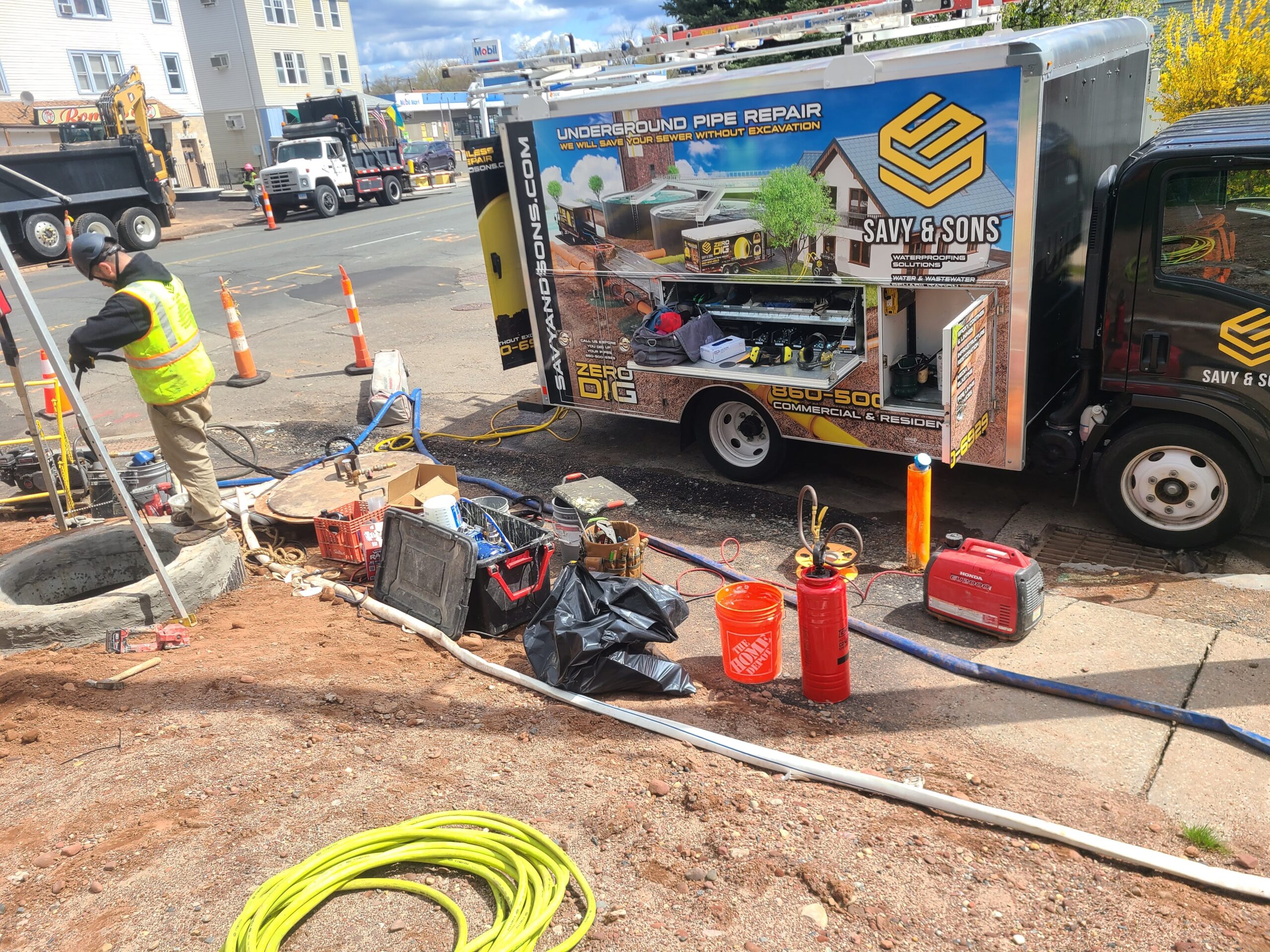
LDCC Condition-to-Method Paths
| Condition | Structure or environment | Possible service path | Notes |
|---|---|---|---|
| Annular space around a pipe, casing, or culvert requiring lightweight fill | Utility corridor, storm line, or highway culvert | Pumped LDCC placement into annular void | Density and pour rate are matched to liner sensitivity and specified backfill requirements. |
| Large subsurface void with load limits on underlying soil or structure | Commercial site, plaza, or infrastructure fill zone | Controlled-density LDCC void fill | Reduced unit weight versus conventional fill helps limit additional settlement load. |
| Abandoned utility line requiring controlled abandonment fill | Municipal or commercial utility corridor | LDCC flowable fill through access points or direct pour | Sequencing with utility abandonment and traffic control is planned in advance. |
| Tunnel, conduit, or transit backfill in confined geometry | Transit tunnel, utility gallery, or conduit run | Pumped LDCC backfill with access planning | Pump routing, pour volume, and confined-space constraints affect feasibility. |
| Below-grade trench where compaction equipment cannot reach | Commercial or municipal utility trench | Flowable LDCC trench backfill | Not a substitute for structural concrete; density and cover follow project requirements. |
| Sinkhole or washout cavity needing rapid flowable placement | Pavement, plaza, or infrastructure surround | LDCC cavity fill with substrate review | Underlying cause of soil loss may require separate remediation beyond fill placement. |
| Bridge approach or embankment fill with specified density limit | Highway or bridge infrastructure element | Lightweight LDCC embankment or approach fill | Engineer-directed density and testing may apply on public infrastructure work. |
| Retaining or shoring backfill zone sensitive to lateral and vertical load | Commercial excavation or infrastructure support | Controlled-density LDCC backfill | Fill selection must align with wall design assumptions and sequencing. |
Which Low-Density Cellular Concrete path fits your site?
Tell us which row looks closest. Include photos or inspection notes when you have them.
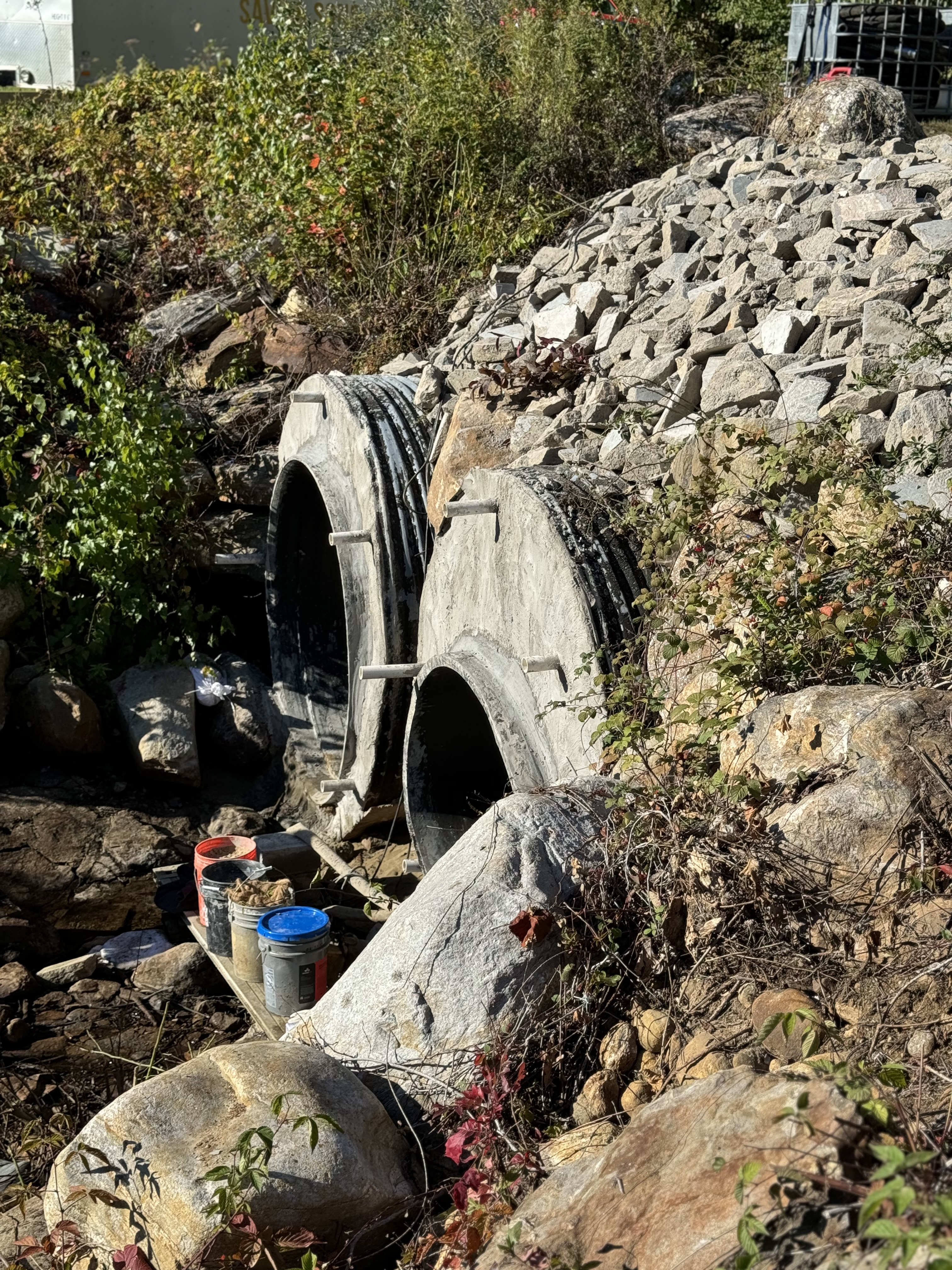
LDCC Placement, Lightweight Fill, and Controlled Cellular Concrete Applications
LDCC density, lift thickness, and placement method depend on whether the goal is annulus fill, trench backfill, void support, or reduced load over weak soils. We coordinate batching, pumping access, and cure sequencing with project requirements, not a single mix design for every application.
- Low-density cellular concrete (LDCC) with controlled density selected for fill application and substrate load
- Pumped placement into annular spaces, trenches, and confined void geometries
- Direct pour placement where access and pour volume allow
- Annular space fill around pipes, casings, and tunnel liners
- Utility abandonment fill with sequenced pour planning
- Large-volume void fills with lift and rate coordination
- Engineer-specified density, strength, and testing parameters where directed
- Coordination with grout injection or conventional fill when multiple methods apply at one site
Discuss Low-Density Cellular Concrete methods for this job
Send project location, fill application, approximate volume or geometry, access for pumping, and engineer specifications or mix parameters if available We will tell you what fits and what does not.
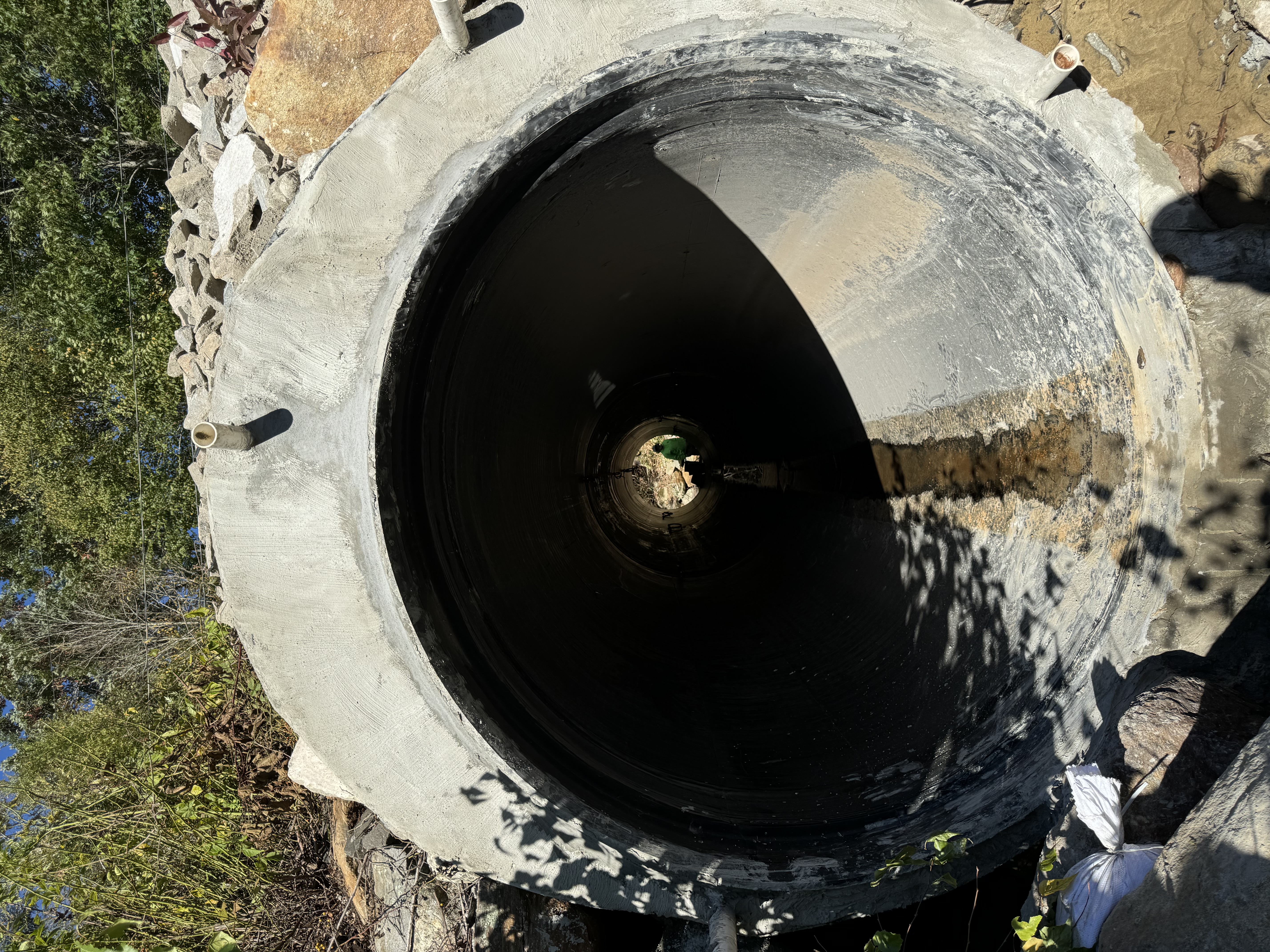
Where Low-Density Cellular Concrete Is Used
Lightweight fill applications at utility and infrastructure sites often coordinate with Water & Wastewater Rehabilitation, and Manhole, Vault & Utility Grouting.
- Pipe, culvert, and casing annular space fill
- Tunnel, transit, and conduit backfill
- Abandoned utility line abandonment fill
- Large void and subsurface cavity fills
- Bridge approach, embankment, and wingwall fill zones
- Below-grade utility trenches and vault surrounds
- Sinkhole and washout remediation cavities
- Retaining structure and shoring backfill zones
- Commercial plaza and pavement sub-base lightweight support
- Wastewater and storm collection system improvements
- Industrial facility underground utility work
- Institutional campus infrastructure upgrades
Is your facility a fit for Low-Density Cellular Concrete?
Share the property type, location, and the condition you need addressed.
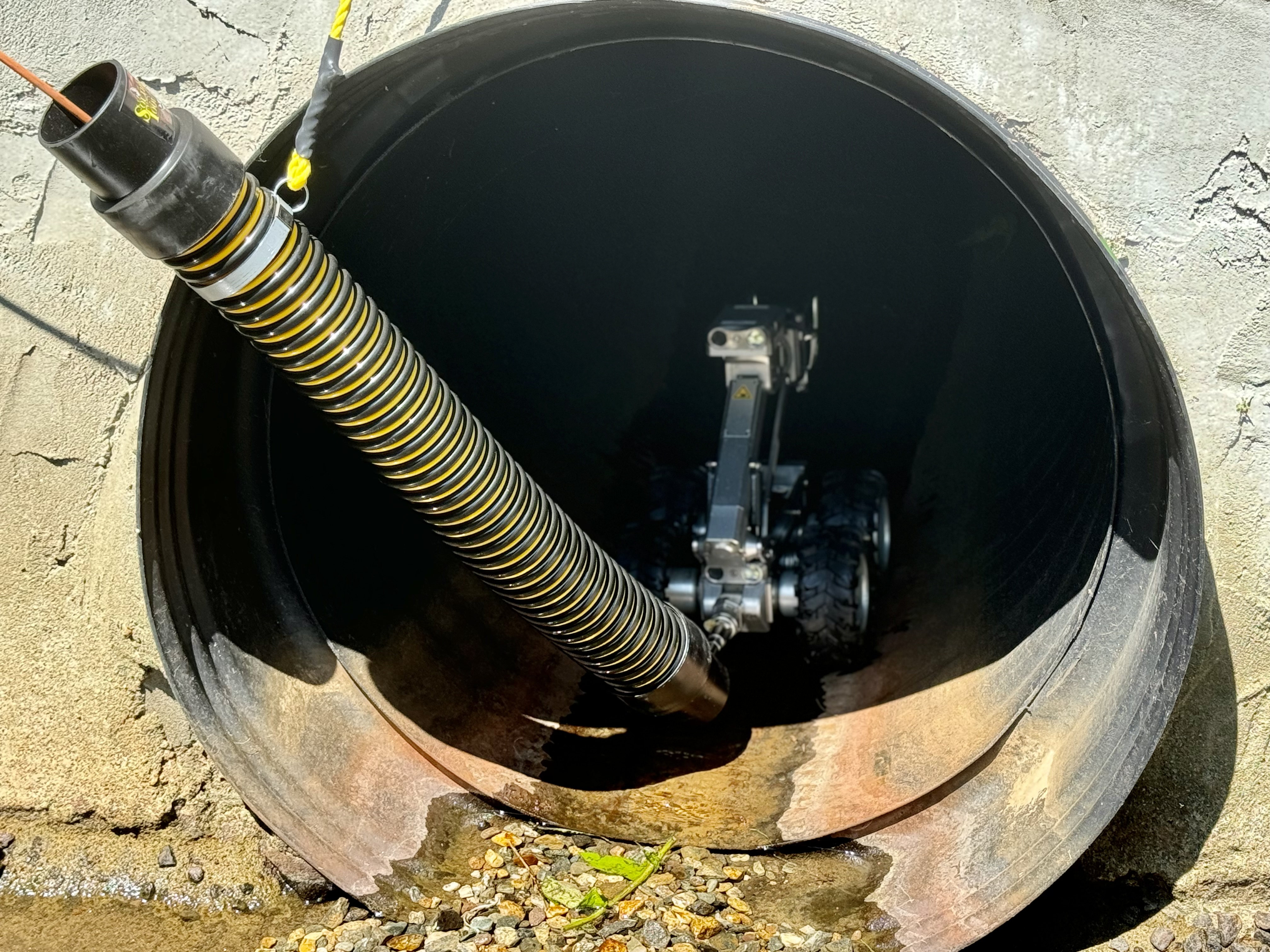
Choosing LDCC, Grout, or Controlled Fill
If you have annular spaces to fill, abandoned utilities to abandon, or cavities on weak subgrade, LDCC is selected when fill weight, flowability, and placement access matter, not as a universal substitute for grout injection or conventional backfill.
LDCC density and strength parameters must align with the fill application and any engineer-directed specifications. Pump routing, pour volume, liner protection, and dead load on weak substrates shape whether LDCC is practical and how placement is sequenced on active commercial and infrastructure projects.
Unsure which Low-Density Cellular Concrete approach fits?
Send access limits, findings, and urgency. We help scope the next field step.
LDCC Placement and Controlled Fill Process
Review Fill Application
Understand fill purpose, geometry, access, pour volume, and project specifications or engineer-directed mix parameters.
Evaluate Substrate Conditions
Confirm whether underlying soils, liners, or structures can receive lightweight fill as proposed without exceeding capacity.
Plan Access and Pour Sequence
Coordinate equipment placement, pump routes, traffic impacts, and operational or shutdown windows.
Confirm LDCC Parameters
Align density, strength, and placement approach with project requirements and any directed specifications.
Execute Placement
Place LDCC with monitoring for fill progression, lift control, and protection of adjacent structures or utilities.
Verify Fill Completion
Confirm placement against agreed project criteria; coordinate field testing or inspection if specified.
Document Pour
Provide placement records, product data, or submittal support where required by the owner or engineer.
Ready for a Low-Density Cellular Concrete assessment?
Share the location, access constraints, and what you already know. We respond within one business day.
LDCC Support for Commercial, Municipal, and Infrastructure Projects
We place low-density cellular concrete for commercial, municipal, utility, and infrastructure projects where lightweight controlled fill supports annular space fill, void remediation, utility abandonment, and backfill in confined geometries.
As a specialty field contractor, we execute pumped LDCC placement, coordinating density, pour sequencing, and access planning with engineers and GCs when specifications define mix parameters, testing, or lift requirements.
- Annular and utility corridor applications
- Municipal and public infrastructure projects
- Commercial and industrial construction support
- Coordination with engineers and GCs
- Pump placement and access planning
- Controlled-density pour execution
- Product data and submittal coordination
- Sequencing with pipeline and civil trades
- Occupied corridor and traffic planning
Ask Savy & Sons about Low-Density Cellular Concrete
Send project location, fill application, approximate volume or geometry, access for pumping, and engineer specifications or mix parameters if available Or call and talk through the structure with the office.
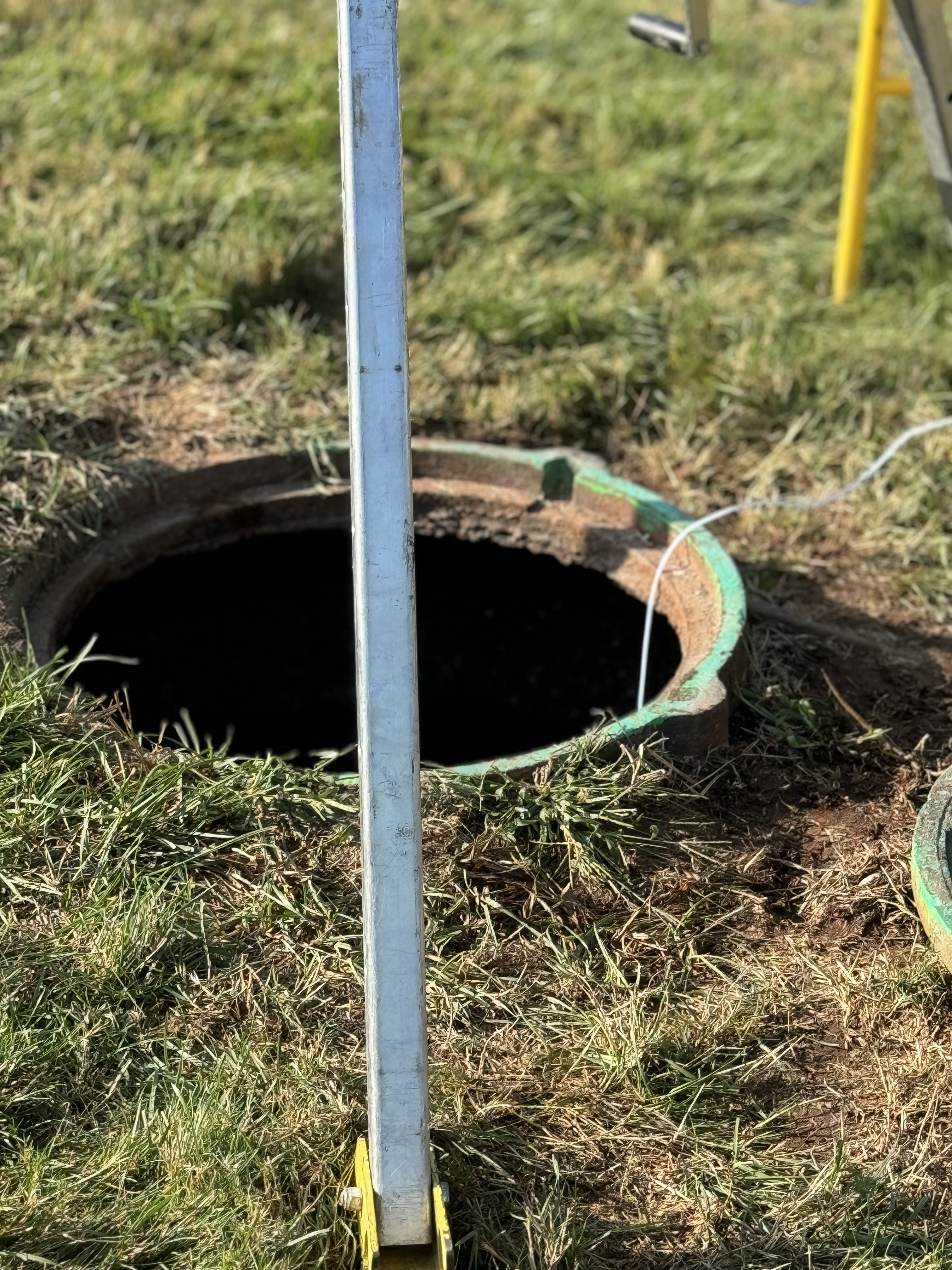
Plan LDCC Placement for Your Project
If your project requires lightweight controlled fill for voids, annular spaces, utility abandonment, or infrastructure backfill, we can review the application and discuss placement approach, access, and site requirements.
- Project location and fill application type
- Approximate volume, depth, or geometry
- Engineer specifications or mix parameters if available
- Access for pumping equipment and hose routing
- Adjacent utilities, liners, or structures
Serving Connecticut Commercial and Municipal Properties
Savy & Sons supports commercial, municipal, industrial, institutional, and infrastructure properties across Connecticut. We rehabilitate sewer assets, wastewater structures, below-grade concrete, and buried pipelines when water intrusion, corrosion, infiltration, or structural loss threatens operations.
For LDCC work, this often means using lightweight, controlled fill where conventional fill may add too much load or where controlled placement is required.
View the Connecticut commercial service areaDo we cover your Low-Density Cellular Concrete site?
Share the ZIP or address with the site condition so we can confirm coverage and next steps.
Related Technical Systems
Material and field-system reference pages related to this scope. They support buyer education and are not a substitute for site review.
View all technical systems