
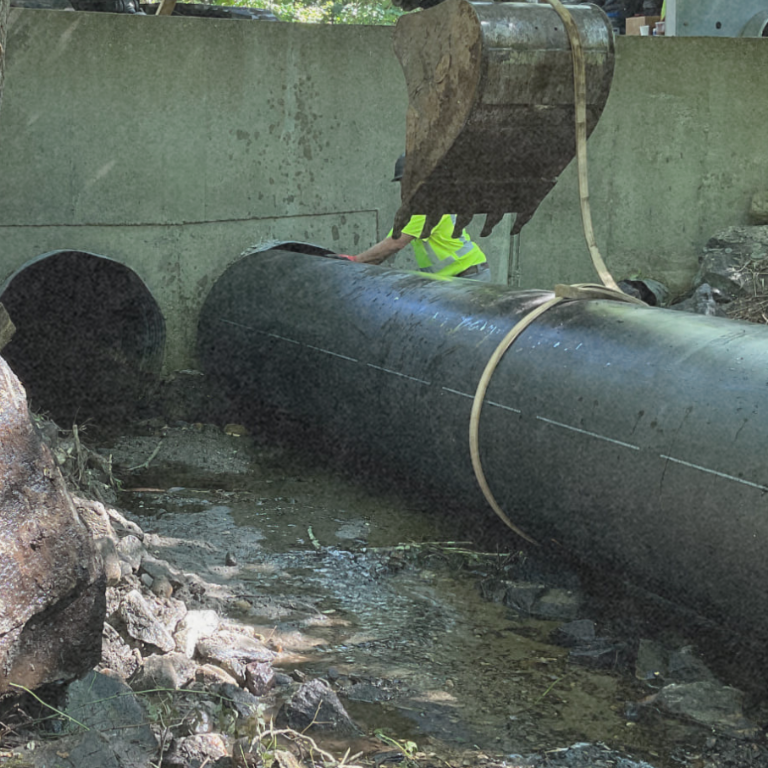
Recurring Leaks and Failed Repairs Need Structure Review First
When infiltration, joint failure, or coating breakdown keeps returning and you need to know what repair method applies, the first step is field structure review. Savy & Sons assesses manholes, vaults, wet wells, and pump stations before grouting, coatings, linings, or rehabilitation work begins.
- Recurring leaks after patching
- Failed coatings and linings
- Wet manholes during rain events
- Concrete spalling in wet wells
- Unknown repair scope before bidding
- Pre-grouting field assessment
Request a Structure Review
Tell us which structures need inspection or condition review. Our team will follow up directly.
 Google
4.9/ 5 from over 65 Google reviews
See on GoogleSpecialty field review and contractor assessment support; engineering design and code-required inspections by licensed professionals when required.
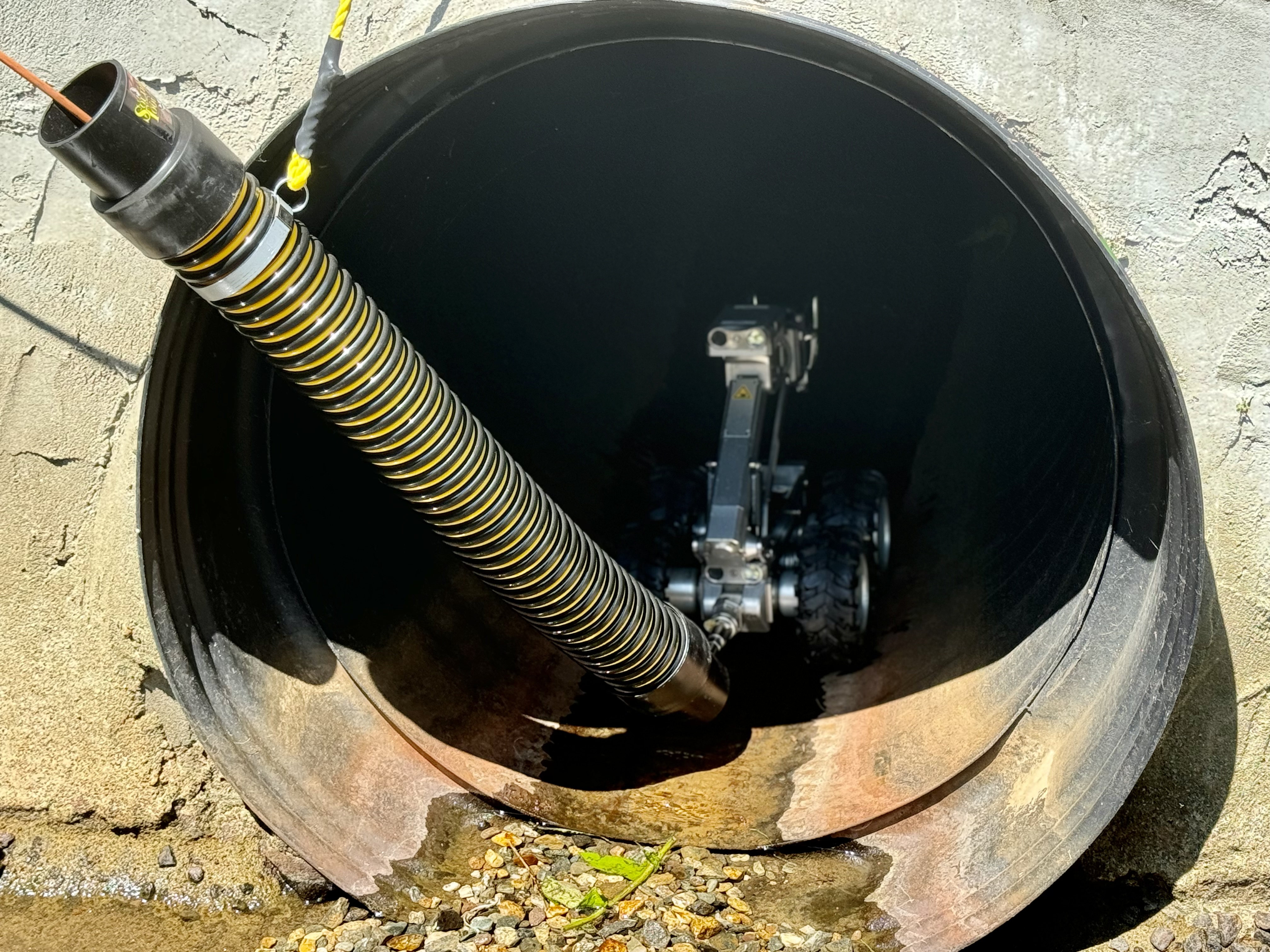
Recurring Leaks, Failed Patches, and Unknown Structure Condition
Most teams request structure review when infiltration, joint failure, or coating breakdown keeps returning and a repair scope must be defined before work begins. Below: what is wrong, what happens if defects are not assessed first, and why field structure review is the recommended step before grouting, coatings, linings, or rehabilitation.
- 01Active infiltration through manhole walls, joints, or pipe penetrations
I&I continues during wet weather. Repair scopes are scoped wrong when the leak path is not confirmed before mobilization.
Recommended repair: Structure review identifies infiltration paths so grouting or joint sealing targets the correct defect before work begins.
- 02Leaking utility vaults with unknown water entry points
Emergency patch cycles repeat. Equipment and surrounds deteriorate while the actual leak path remains unaddressed.
Recommended repair: Field assessment maps vault leakage to joints, cracks, or grade interfaces so injection grouting can be scoped accurately.
- 03Deteriorated concrete in wet wells or pump stations
Section loss and corrosion spread while the repair method is unclear. Outage planning stalls without a defined scope.
Recommended repair: Structure review evaluates substrate condition and determines whether grouting, restoration, or lining should lead the repair sequence.
- 04Failed coatings or linings with active moisture behind
Re-lining without addressing the moisture source repeats the failure. Protective systems delaminate within months.
Recommended repair: Pre-repair assessment confirms whether active infiltration must be controlled before coatings or linings are reapplied.
- 05Recurring leakage after mortar patch or localized coating
Surface treatments fail under hydrostatic pressure at the same joints each wet season. Repair costs compound without pathway review.
Recommended repair: Structure review identifies the water path behind failed patches so pathway-targeted grouting can be scoped before another surface repair.
- 06Inflow and infiltration concerns without confirmed structure-level defects
Capital funds are spent on pipe work while structure-level I&I contributors remain unaddressed in manholes and vaults.
Recommended repair: Field assessment at collection structures helps confirm whether structure grouting should be part of the I&I reduction program.
- 07Bid or funding deadline with unclear repair scope
Projects are under-scoped or over-scoped without field confirmation. Change orders and delays follow during mobilization.
Recommended repair: Structure review before bidding aligns repair method with visible defects, access constraints, and outage windows.
Field Assessment Before Grouting, Coatings, Linings, or Rehabilitation
When infiltration, joint failure, or coating breakdown keeps returning and the right repair method is unclear, wastewater structure review is the recommended first step because grouting, coatings, and rehabilitation each require different lead trades and sequencing. Savy & Sons's structure review is focused on field conditions that affect repair planning for manholes, vaults, pump stations, wet wells, tanks, and below-grade wastewater assets. Buyers typically need to know whether active infiltration, joint failure, penetration leakage, concrete deterioration, coating breakdown, or lining delamination should be addressed through grouting, joint sealing, substrate repair, surface preparation, protective coatings, linings, or a sequenced combination before mobilization, bidding, or outage planning.
A practical field assessment may consider visible leakage paths, wet-weather behavior described by the owner or authority, substrate condition at cracks and spalls, prior patch or coating failure, corrosion exposure, confined-space and traffic access, and whether active water must be controlled before coatings or linings can succeed. When CCTV footage, engineer reports, drawings, or prior condition notes are available, they are reviewed alongside site photos and field observations to help align repair method with the defect mechanism.
This page supports repair intent: helping municipalities, wastewater authorities, utility owners, engineers, contractors, and facility teams decide what remediation path may be feasible before grouting, waterproofing, coatings, linings, concrete restoration, or broader rehabilitation. It is not positioned as a standalone pipeline televising program, residential sewer scope service, or formal municipal inspection report product.
Engineering design, structural determinations, geotechnical engineering opinions, and regulatory interpretations should be provided by the appropriate licensed professionals when required. Savy & Sons provides specialty field review and contractor assessment support. Engineering design, regulatory determinations, formal condition ratings, PACP/MACP coding, or code-required inspections should be provided by the appropriate licensed or qualified professionals when required.
Where this applies: manholes; utility vaults; wet wells; pump stations; wastewater treatment structures; tanks; below-grade utility structures; commercial and industrial wastewater areas; municipal infrastructure; and institutional campuses.
When review identifies active infiltration or failed protective systems, related repair paths may include Chemical Grout Injection, Protective Coatings, Linings, and Surface Preparation Systems.
Engineering design, structural determinations, geotechnical engineering opinions, and regulatory interpretations should be provided by the appropriate licensed professionals when required.
Need Wastewater Structure Inspection evaluated for your structure?
Describe access, findings, and what is failing. Use Request a Structure Review or call the office.
Structure Review to Repair-Path Mapping
| Condition | Structure or environment | Possible service path | Notes |
|---|---|---|---|
| Active infiltration at manhole bench, joint, or penetration | Sanitary sewer or storm manhole | Field review → manhole grouting or joint sealing scope | Wet-weather behavior and prior CCTV help confirm whether bench or joint paths drive I&I. |
| Vault wall leakage or grade-interface water entry | Utility vault in roadway or easement | Field review → injection grouting or penetration sealing | Access, traffic, and confined-space constraints affect review timing and repair sequence. |
| Wet well or pump station concrete deterioration | Municipal lift station or pump vault | Field review → concrete restoration, grouting, or lining scope | Effluent exposure and bypass requirements influence whether grouting or restoration leads. |
| Failed coating or lining with active moisture behind | Tank, wet well, or process structure | Field review → surface prep, coatings, or linings after water control | Active infiltration often must be addressed before lining adhesion can be expected. |
| Recurring leakage after mortar patch or localized coating | Municipal manhole or utility vault | Field review → pathway-targeted grouting before surface protection | Surface treatment without addressing the water path often fails under sustained pressure. |
| I&I concern tied to structure-level defects | Collection system access structure | Field review → structure grouting coordinated with authority programs | System-wide I&I strategy and measurement belong with appropriate engineering programs. |
| Bid or funding deadline with unclear repair scope | Wastewater asset under authority capital plan | Field review → rehabilitation method selection and phasing input | Drawings, prior reports, and outage windows accelerate useful review. |
| Corrosion and spalling before protective system reapplication | Treatment plant tank or clarifier structure | Field review → cementitious repair, coatings, or linings | Substrate soundness and chemical exposure drive restoration system selection. |
Which Wastewater Structure Inspection path fits your site?
Tell us which row looks closest. Include photos or inspection notes when you have them.
What Savy & Sons Evaluates During Wastewater Structure Review
Field assessment is focused on conditions that affect repair planning, not generic pipeline televising or residential drain inspection. Visible leakage paths, substrate deterioration, failed protective systems, and access constraints help determine whether grouting, sealing, restoration, or lining should follow.
- Field review of visible infiltration, joint failure, and penetration leakage
- Assessment of concrete spalling, cracking, and substrate loss
- Review of coating delamination, lining failure, and corrosion exposure
- Evaluation of wet-weather behavior and recurring patch failure
- Coordination with owner-, engineer-, or authority-provided CCTV and inspection data when available
- Discussion of grouting, joint sealing, and penetration repair paths
- Identification of substrate repair and surface preparation needs before coatings or linings
- Planning input for confined-space entry, traffic control, and shutdown windows
- Repair sequencing input: water control before coatings, linings, or restoration
- Handoff to grouting, rehabilitation, or concrete restoration scopes when appropriate
Discuss Wastewater Structure Inspection methods for this job
Send structure location, photos or video, known infiltration points, structure type, access conditions, drawings or reports if available, and shutdown or bid timeline We will tell you what fits and what does not.
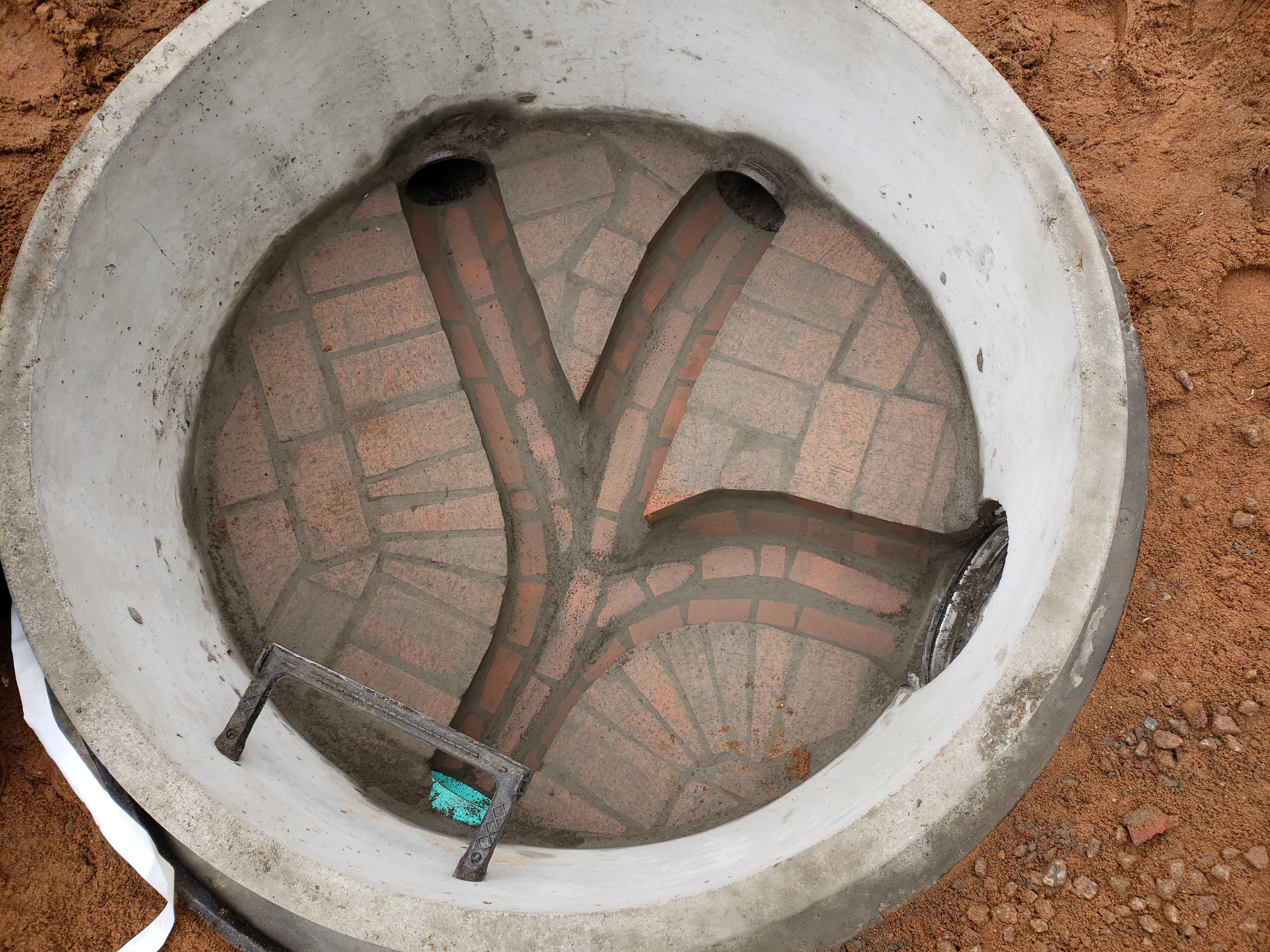
Structures Savy & Sons Reviews Before Repair Work
- Sanitary sewer and storm drain manholes
- Water, sewer, electric, and telecom utility vaults
- Wet wells, dry wells, and pump station structures
- Lift stations and force-main access structures
- Wastewater treatment process structures
- Municipal and industrial storage tanks
- Below-grade utility structures and enclosures
- Commercial and industrial wastewater areas
- Institutional campus utility infrastructure
- Collection system access points in roadways and easements
- Structures with active infiltration before grouting scopes
- Assets with coating or lining failure before restoration work
Is your facility a fit for Wastewater Structure Inspection?
Share the property type, location, and the condition you need addressed.
Matching Field Conditions to Grouting, Coatings, or Rehabilitation
If you are seeing recurring leaks, failed patches, or coating breakdown at a wastewater structure, structure review before repair is the recommended step because each defect points toward a different lead method.
A leaking manhole bench during rain events, a vault with penetration seepage, and a wet well with lining delamination each point toward different lead methods: grouting, joint sealing, substrate repair, or protective coatings and linings. Savy & Sons's assessment support helps buyers match visible field conditions to practical repair paths.
Unsure which Wastewater Structure Inspection approach fits?
Send access limits, findings, and urgency. We help scope the next field step.
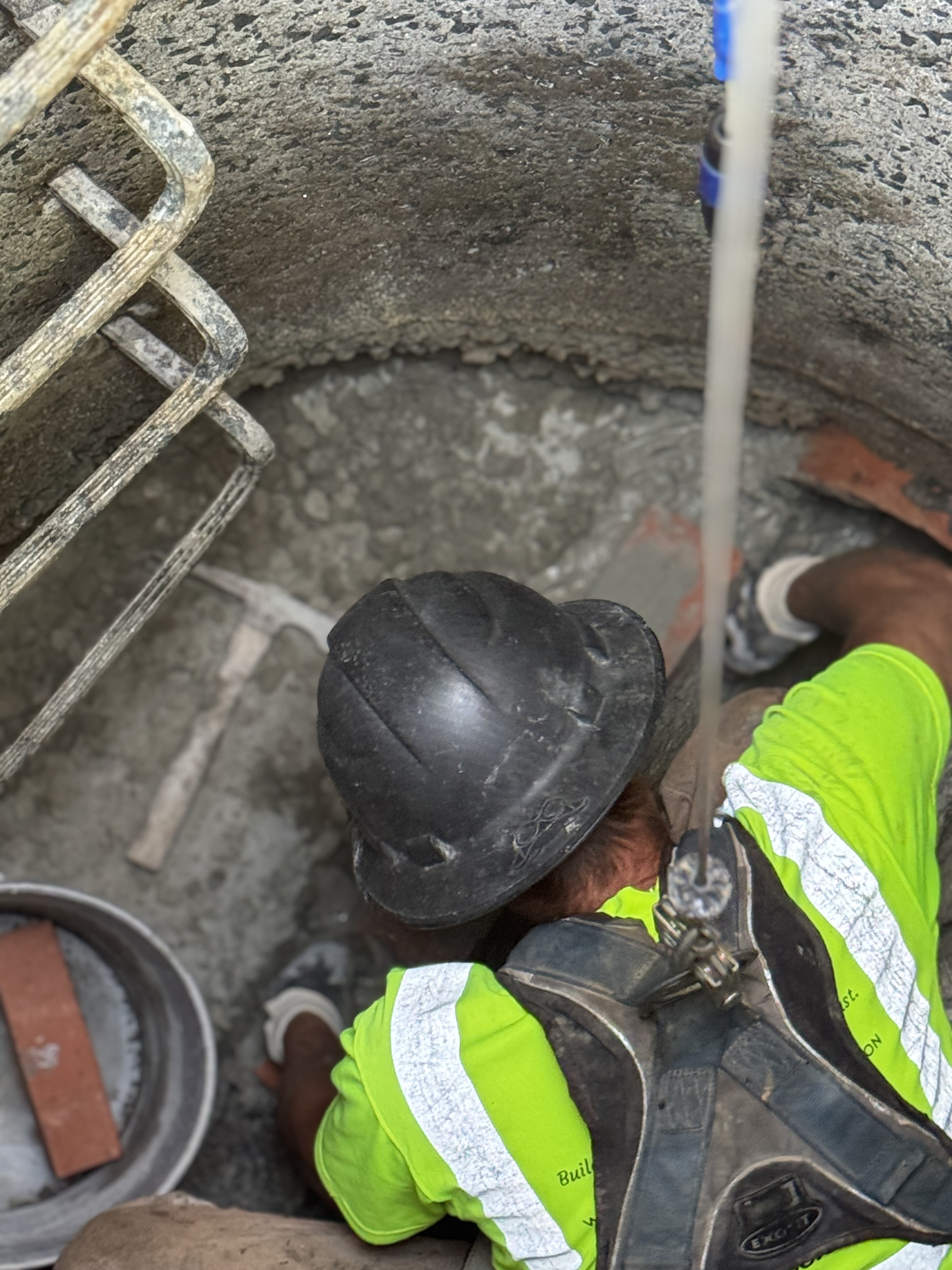
Wastewater Structure Field Review Process
Receive Structure Information
Review structure location, type, photos or video, known infiltration points, access conditions, and any drawings, CCTV, or inspection reports provided.
Assess Visible Field Conditions
Evaluate leakage paths, concrete deterioration, coating or lining failure, corrosion exposure, and constraints that affect repair feasibility.
Align Findings With Repair Paths
Discuss whether grouting, joint sealing, concrete restoration, surface preparation, coatings, linings, or sequenced rehabilitation may address the observed conditions.
Coordinate Access & Timing
Identify confined-space, traffic, shutdown, bypass, or bid-timeline requirements that affect when review or repair can occur.
Recommend Next Steps
Provide contractor assessment input for scope development, engineer coordination, or mobilization planning when a repair path is appropriate.
Hand Off to Remediation Scope
When grouting, rehabilitation, or restoration is warranted, transition to the corresponding Savy & Sons field scope with shared structure data.
Ready for a Wastewater Structure Inspection assessment?
Share the location, access constraints, and what you already know. We respond within one business day.
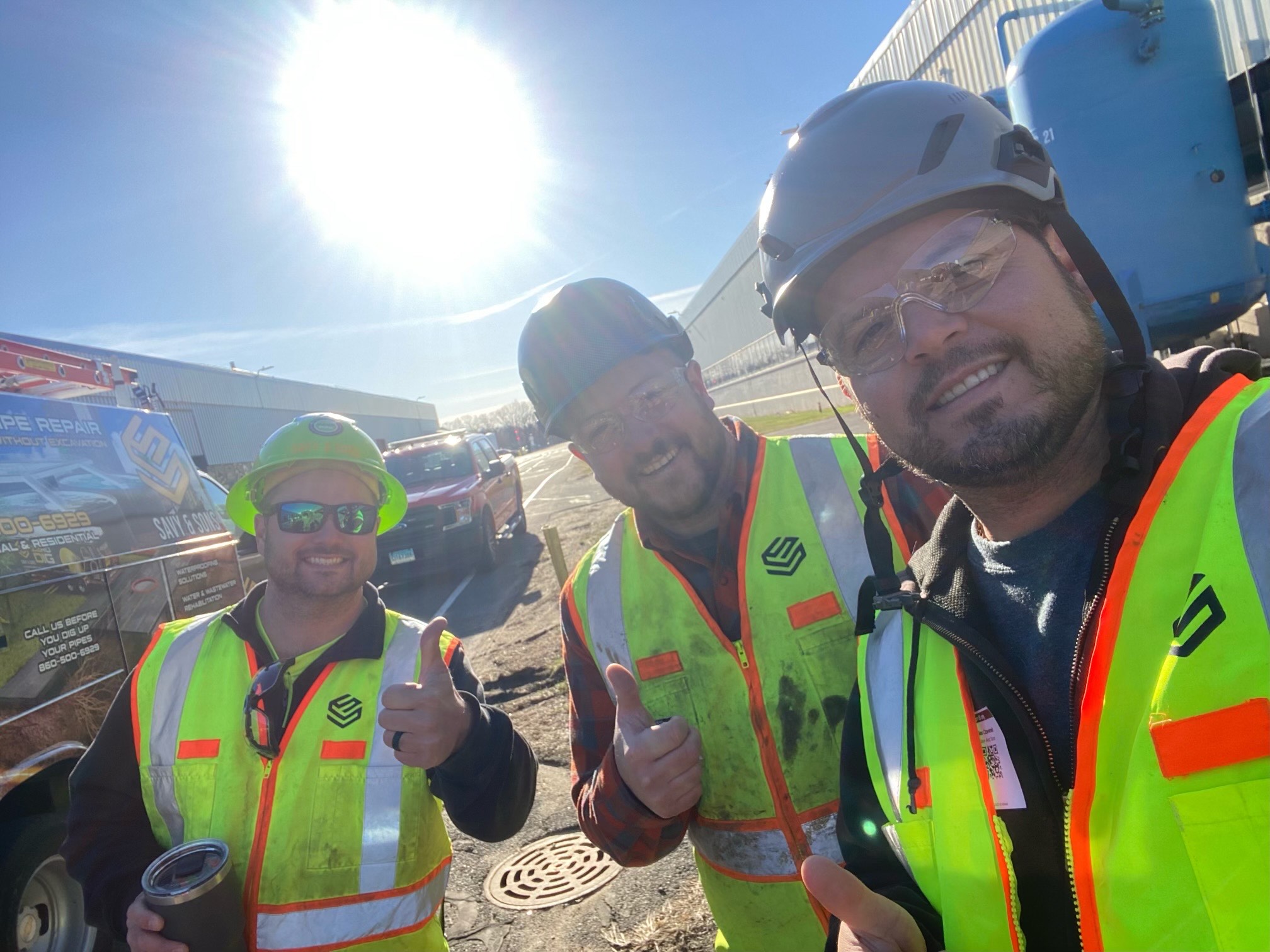
Structure Assessment for Municipal, Utility, and Infrastructure Repair Planning
Savy & Sons supports municipalities, wastewater authorities, utility owners, engineers, contractors, and facility teams with field review of manholes, vaults, pump stations, wet wells, and wastewater structures across Connecticut, especially where infiltration, deterioration, or failed protective systems must be understood before grouting, coatings, linings, or rehabilitation.
As a specialty field contractor, we focus on conditions that affect practical repair planning. We coordinate with engineer-directed scopes and authority inspection programs when provided; we do not replace formal engineering design, regulatory determinations, or code-required inspection products.
- Municipal and wastewater authority structures
- Commercial, industrial, and institutional facilities
- Manholes, vaults, wet wells, and pump stations
- Tanks and below-grade utility assets
- Pre-grouting and pre-lining field review
- Coordination with CCTV and inspection data when available
- Repair-path input for grouting and rehabilitation
- Confined-space and corridor access planning
- Engineer and contractor collaboration
- Serving Connecticut
Ask Savy & Sons about Wastewater Structure Inspection
Send structure location, photos or video, known infiltration points, structure type, access conditions, drawings or reports if available, and shutdown or bid timeline Or call and talk through the structure with the office.
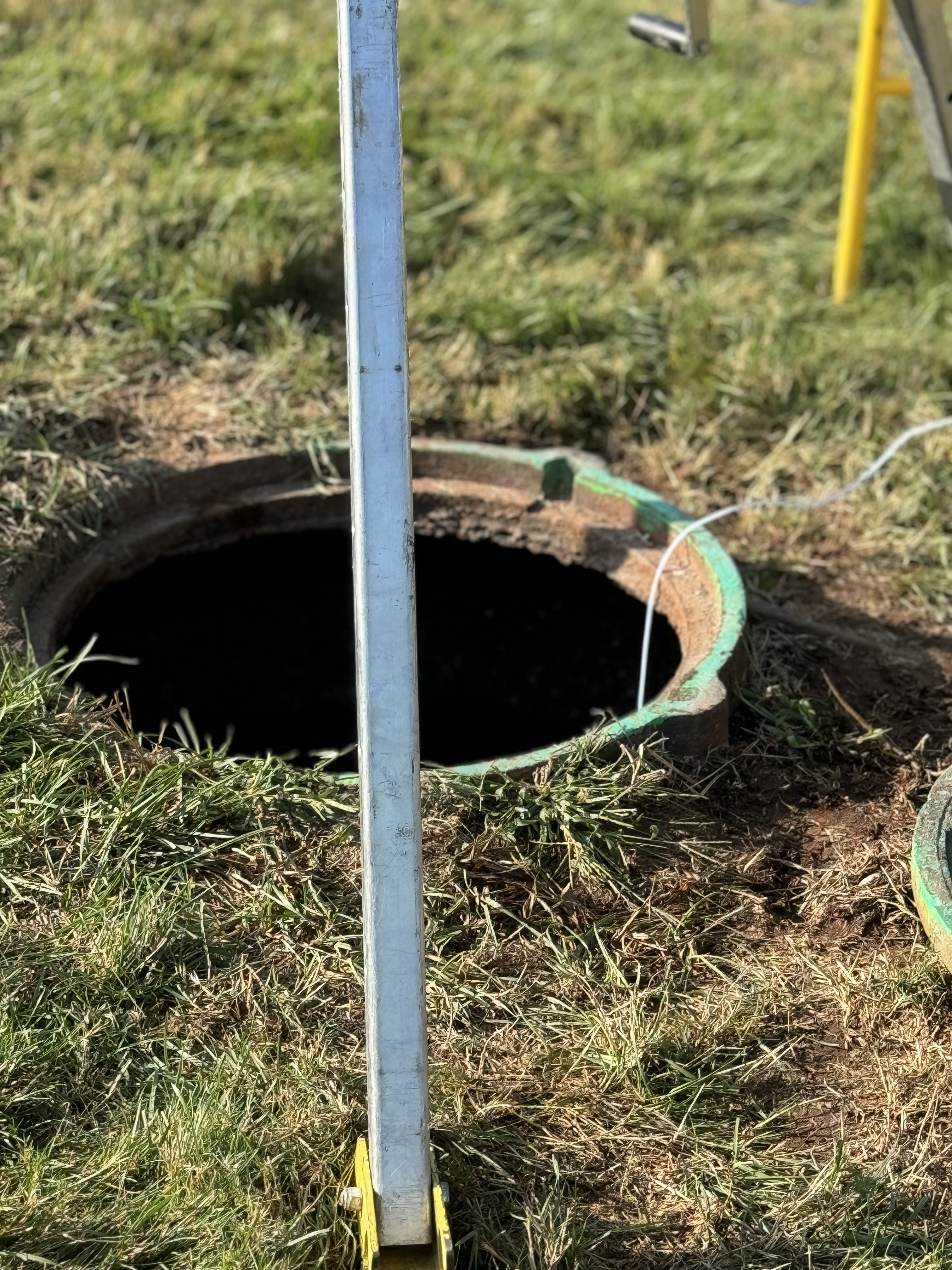
Review Wastewater Structures Before Repair Work Begins
Send Savy & Sons the structure location, photos or video, known infiltration points, structure type, access conditions, drawings or reports if available, and any shutdown or bid timeline.
- Structure location and type
- Photos or video of conditions
- Known infiltration or leakage points
- Access, traffic, or confined-space constraints
- Drawings, CCTV, or inspection reports if available
Serving Connecticut Commercial and Municipal Properties
Savy & Sons supports commercial, municipal, industrial, institutional, and infrastructure properties across Connecticut. We rehabilitate sewer assets, wastewater structures, below-grade concrete, and buried pipelines when water intrusion, corrosion, infiltration, or structural loss threatens operations.
For manhole and wastewater structure review, Savy & Sons supports commercial, municipal, industrial, institutional, and infrastructure properties across Connecticut where field conditions must be understood before grouting, coatings, linings, or rehabilitation.
View the Connecticut commercial service areaDo we cover your Wastewater Structure Inspection site?
Share the ZIP or address with the site condition so we can confirm coverage and next steps.
Related Technical Systems
Material and field-system reference pages related to this scope. They support buyer education and are not a substitute for site review.
View all technical systems