
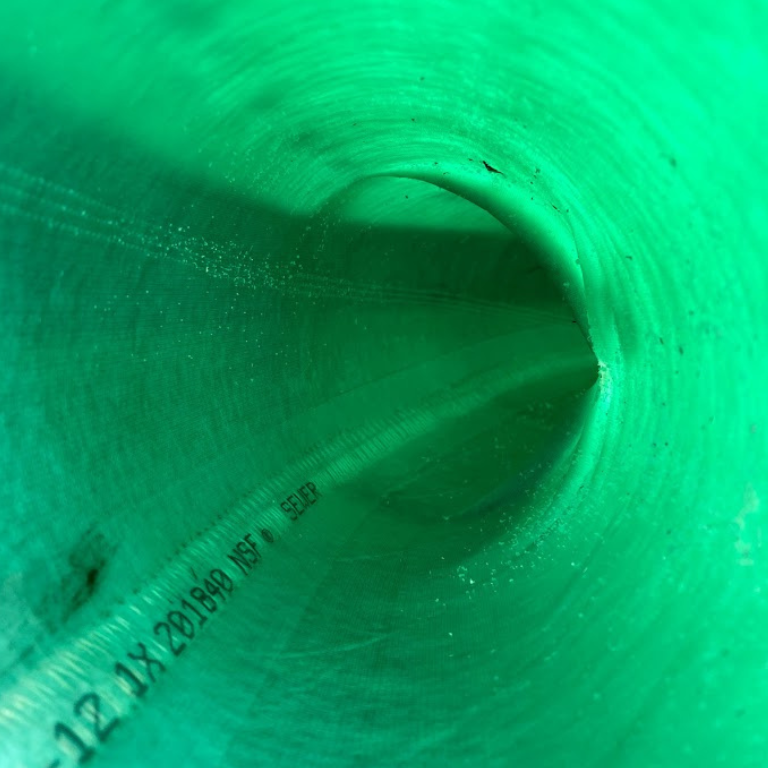
Linings for Wastewater and Aggressive Service Structures
Lining selection depends on surface preparation, substrate soundness, exposure, immersion conditions, chemical environment, adhesion requirements, and project specifications. Savy & Sons may apply lining systems inside structures exposed to wastewater, industrial process conditions, and water-retaining environments where appropriate.
- Wet wells and manholes
- Tank and basin immersion
- Surface prep dependent
- Specification-driven systems
Serving Connecticut Commercial and Municipal Properties
 Google
4.9/ 5 from over 65 Google reviews
See on GoogleWastewater linings
Linings are applied protective systems, often higher-build or immersion-oriented than thin decorative coatings, used to protect concrete or other substrates from wastewater, chemicals, and abrasion inside structures.
Lining work typically sequences after leak control, concrete repair, and surface preparation. Adhesion to a sound, profiled substrate is often critical to service performance.
Savy & Sons applies manufacturer-specified lining systems where training, product approval, and field conditions align. Savy & Sons does not manufacture lining materials.
Commercial & Infrastructure Applications
- Wastewater treatment structures and channels
- Tanks and process containment vessels
- Wet wells and lift stations
- Manholes in aggressive sewer environments
- Industrial containment and water-retaining structures
- Rehabilitation scopes replacing failed prior linings
- Immersion zones with defined chemical exposure
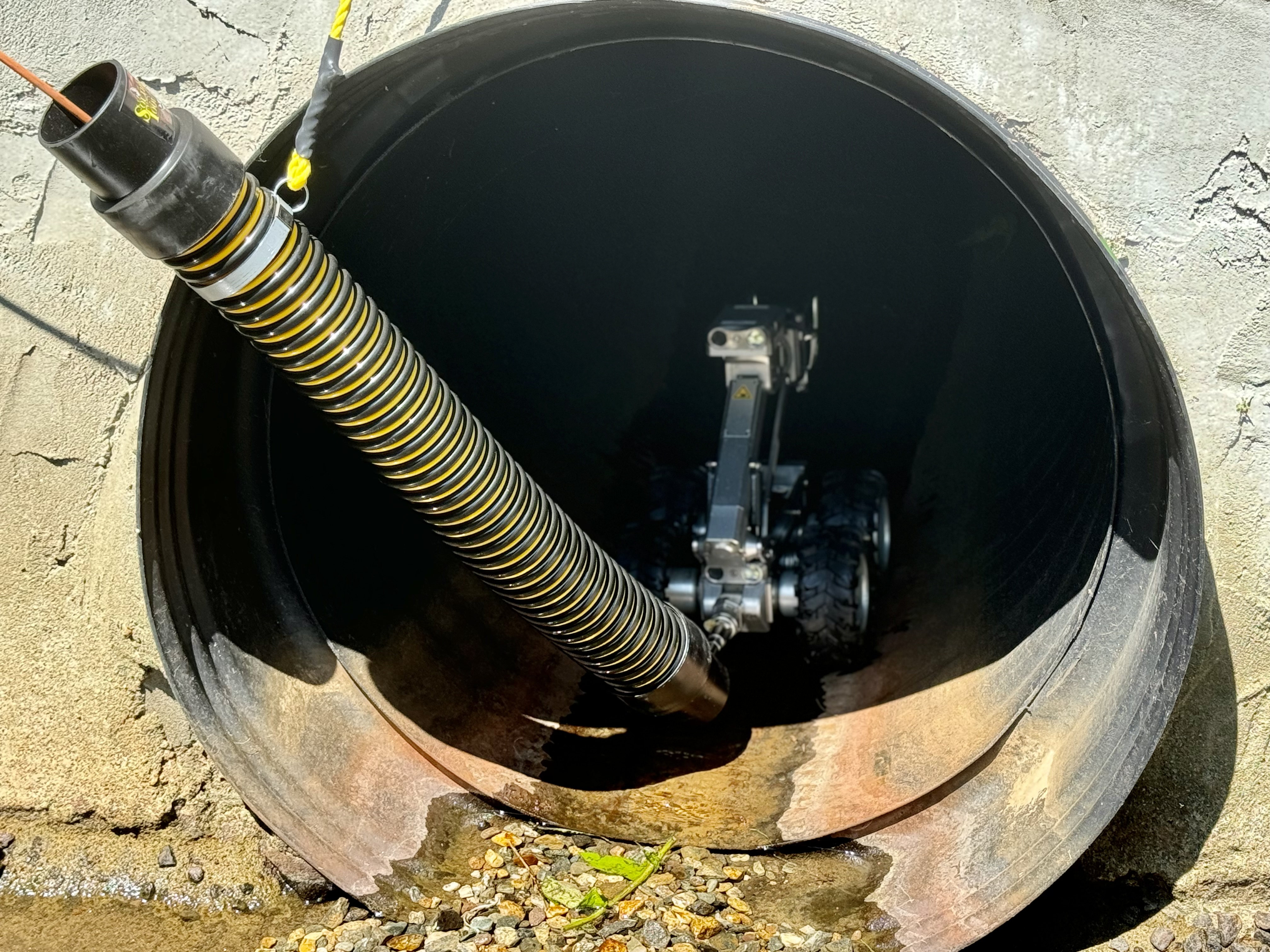
What Problems It Helps Address
- Interior concrete deterioration from H2S, acids, and microbial activity
- Failed or delaminated existing linings
- Effluent attack on bare concrete in immersion zones
- Owner requirements for defined lining systems with QA documentation
- Need for barrier protection after structural repair and prep
When This System May Be Appropriate
Linings may be appropriate when substrate is repaired and prepared, immersion or chemical exposure warrants a barrier system, and specifications define compatible products. Consider alternatives or pretreatment when:
- Active infiltration or exfiltration must be controlled first
- Substrate is too deteriorated for lining adhesion. Rebuild may be required.
- Thin-film coatings suffice for splash-zone-only exposure
- Confined-space or ventilation limits certain chemistries
- Engineer specifications require a particular system or DFT profile
Limitations & Selection Factors
- Substrate soundness, moisture, and preparation quality
- Immersion and chemical compatibility with effluent
- Adhesion to concrete, steel, or prior lining systems
- Application environment: temperature, humidity, ventilation
- Confined-space entry and safety requirements
- Cure and return-to-service before flow restoration
- Holiday detection and thickness verification per QA plans
- Crack and joint movement: may need treatment before lining
- Manufacturer certification or applicator training requirements
- Project specifications and engineer direction where applicable
Material selection depends on field conditions, product requirements, substrate condition, exposure, and engineer direction where applicable. Savy & Sons provides specialty field contracting services, not engineering design or regulatory determinations.
Serving Connecticut Commercial and Municipal Properties
Savy & Sons supports commercial, municipal, industrial, institutional, and infrastructure properties across Connecticut. We rehabilitate sewer assets, wastewater structures, below-grade concrete, and buried pipelines when water intrusion, corrosion, infiltration, or structural loss threatens operations.
View the Connecticut commercial service areaFrequently Asked Questions
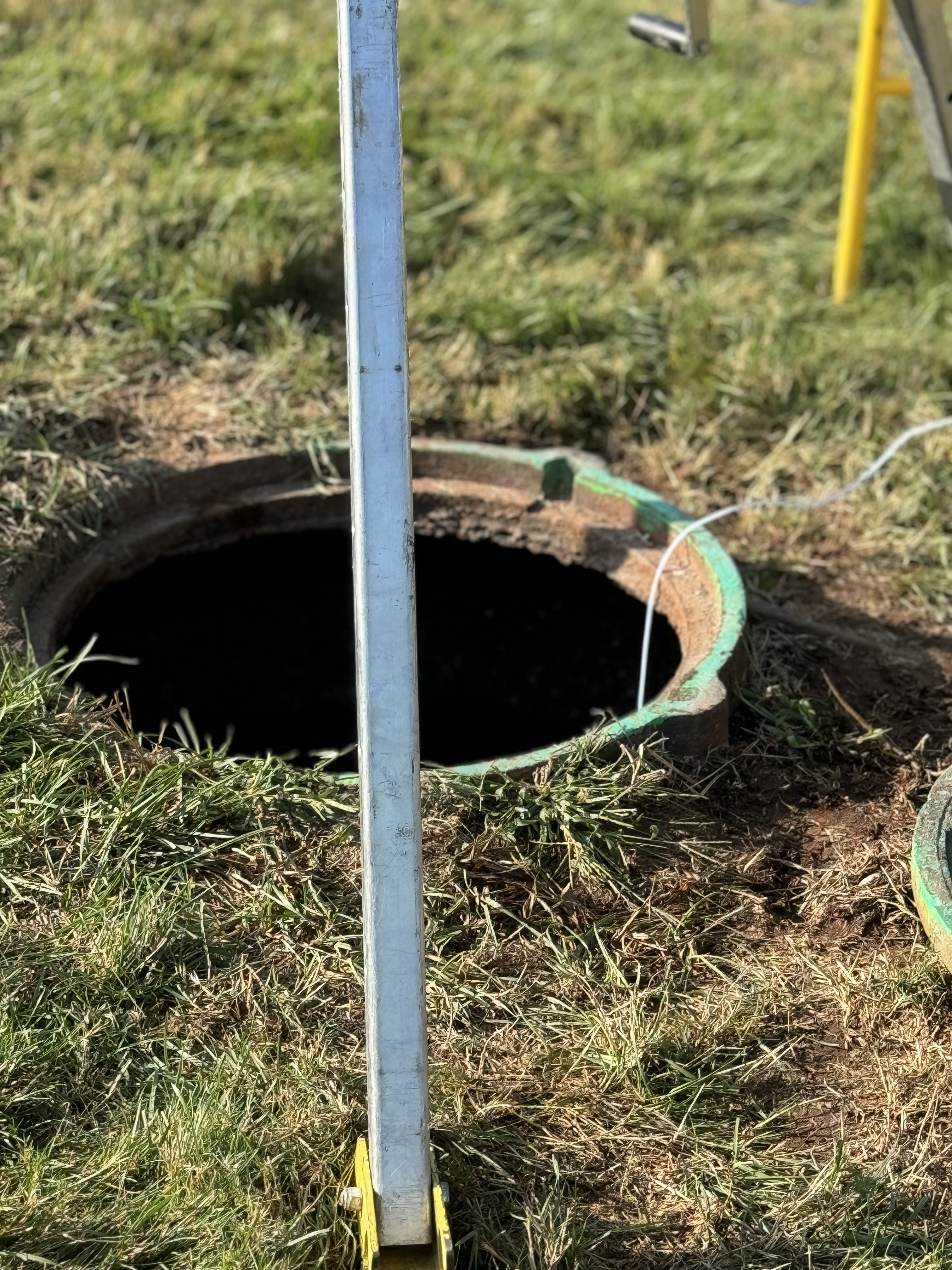
Discuss a Lining or Immersion Protection Need
Send structure type, exposure, and substrate photos so Savy & Sons can review whether lining application may fit the rehabilitation scope.
- Site location and structure involved
- Photos or video of the condition
- Whether water is active or intermittent
- Drawings, specifications, or reports if available
- Access constraints and confined-space considerations
- Schedule or shutdown window if applicable